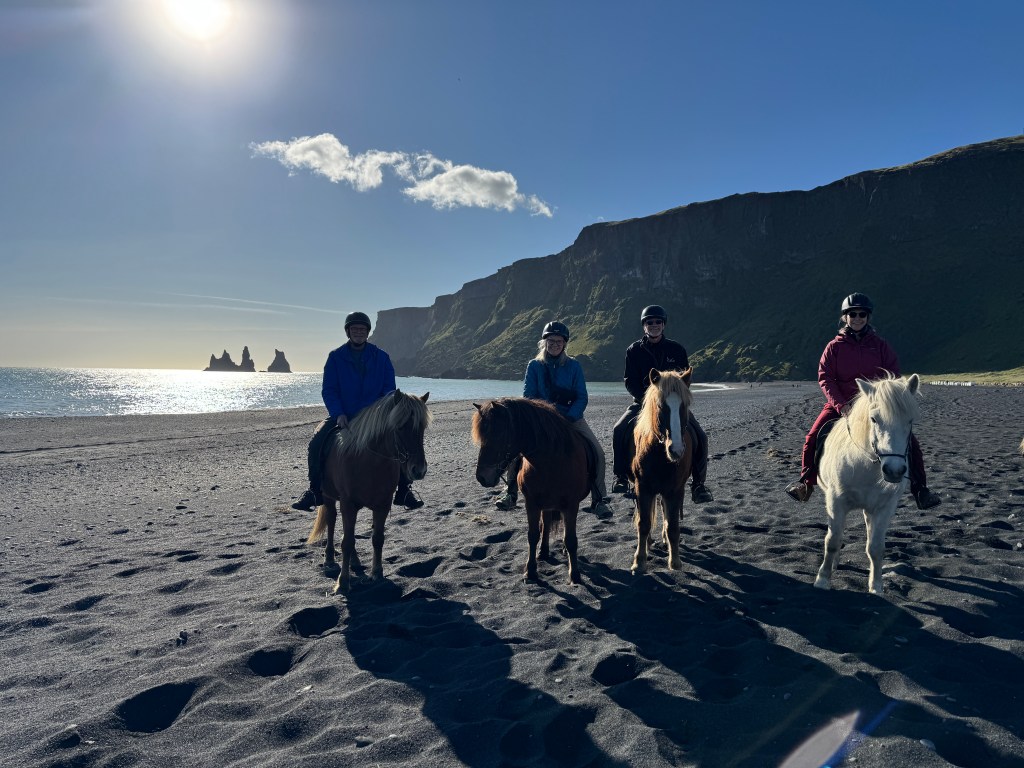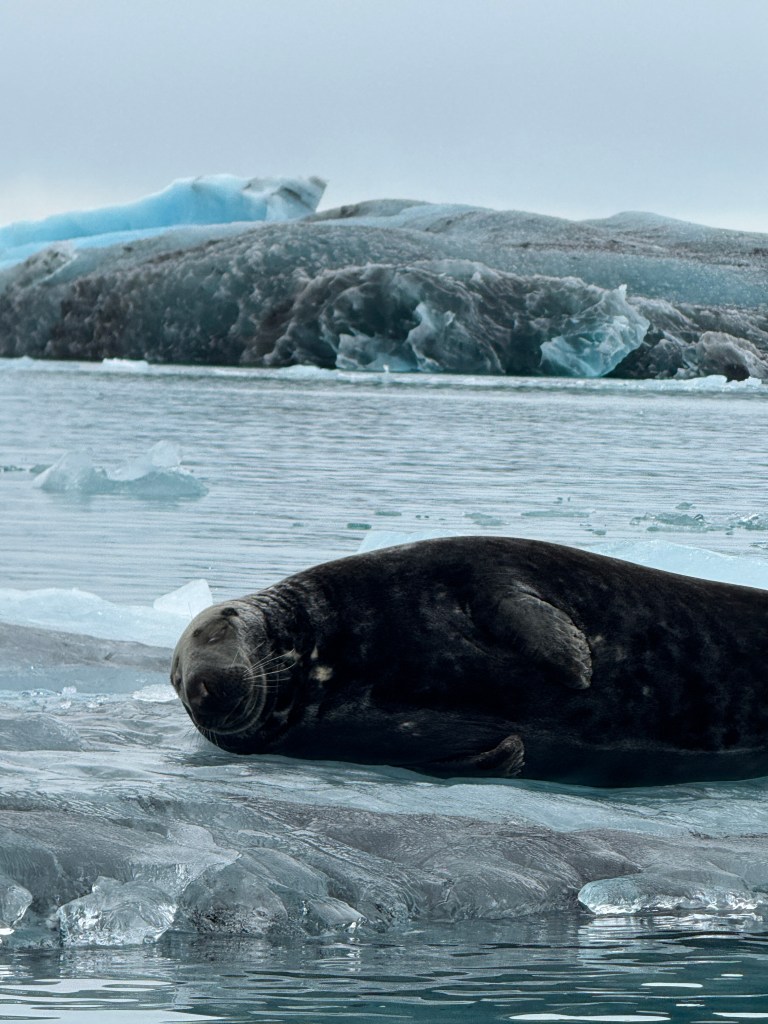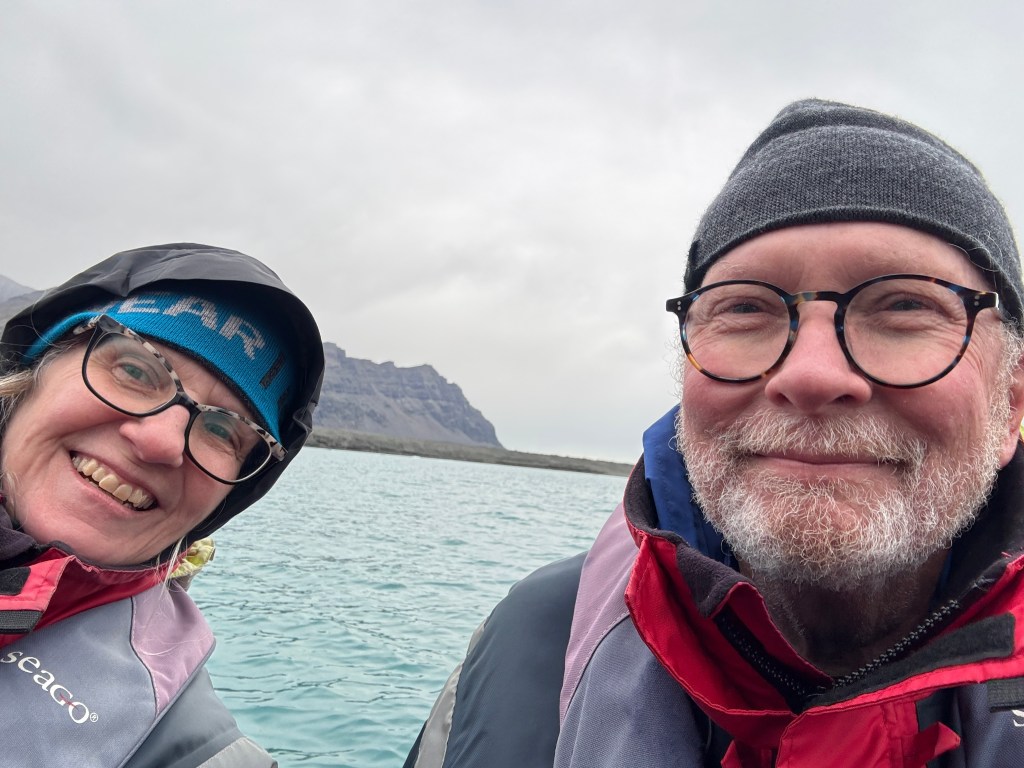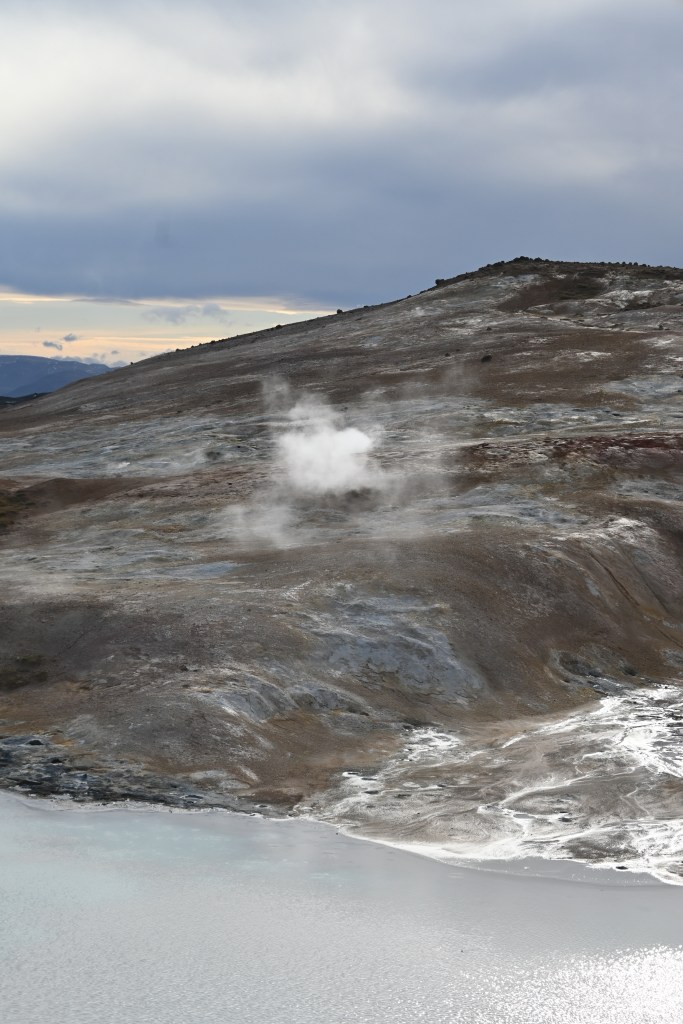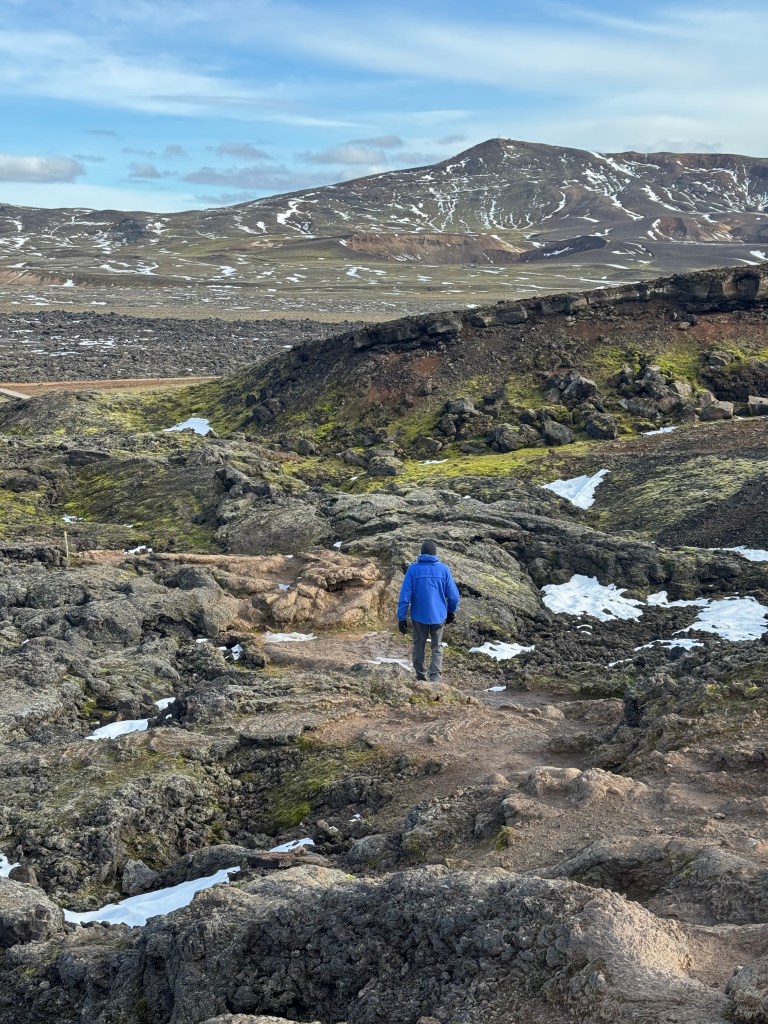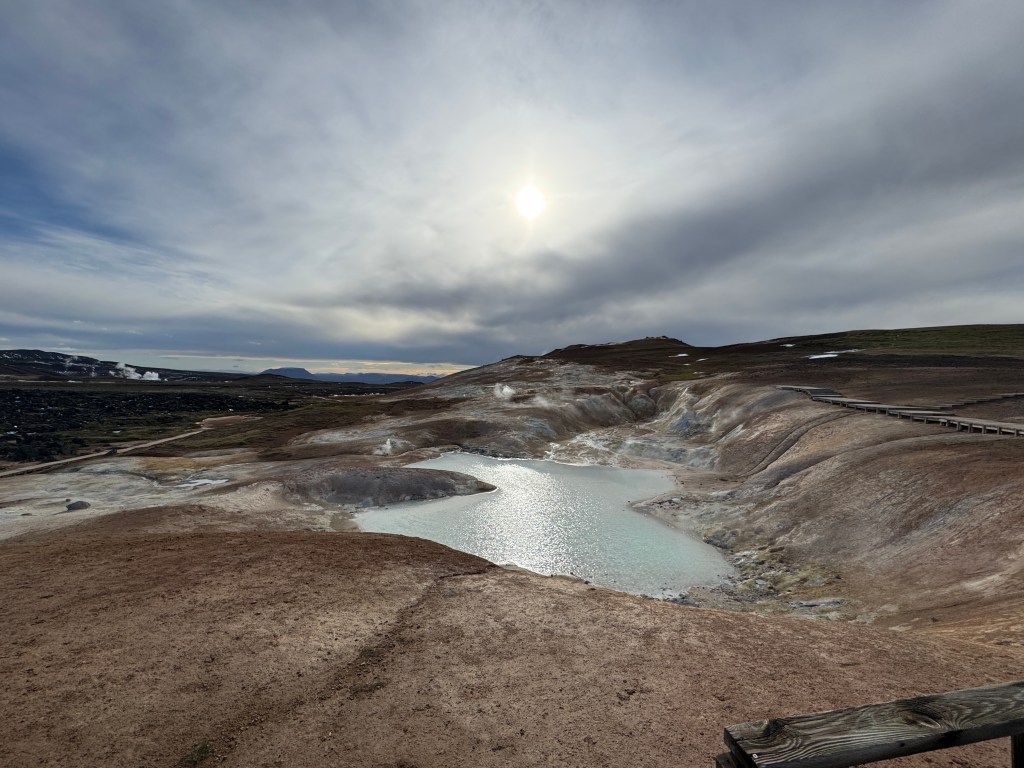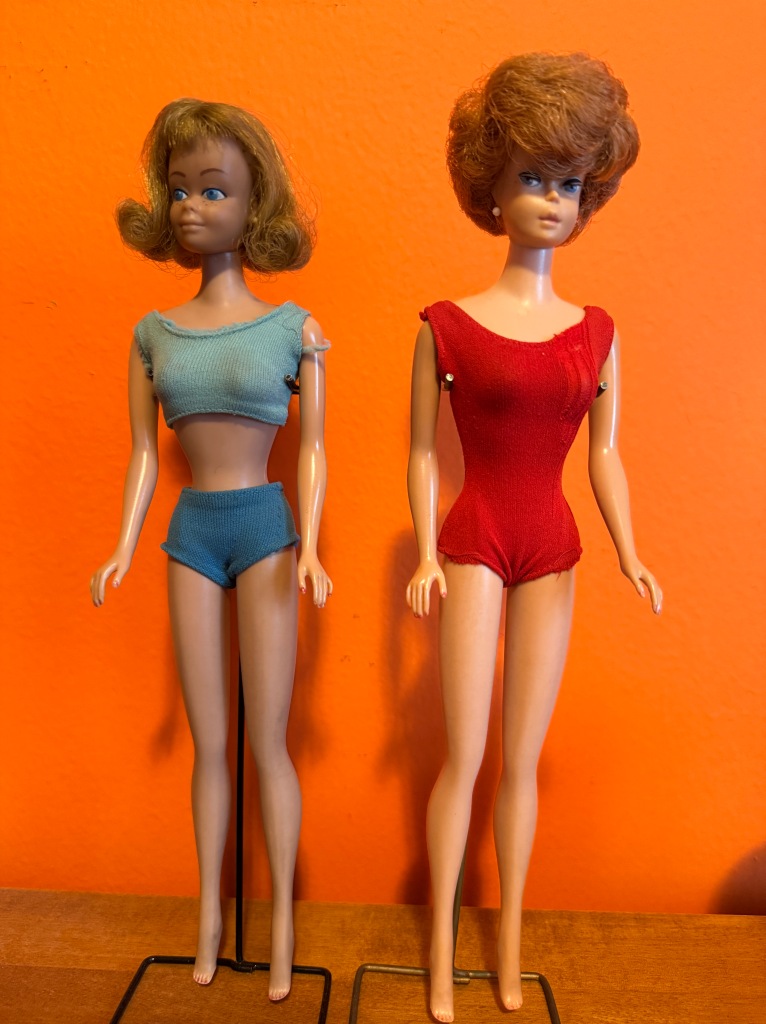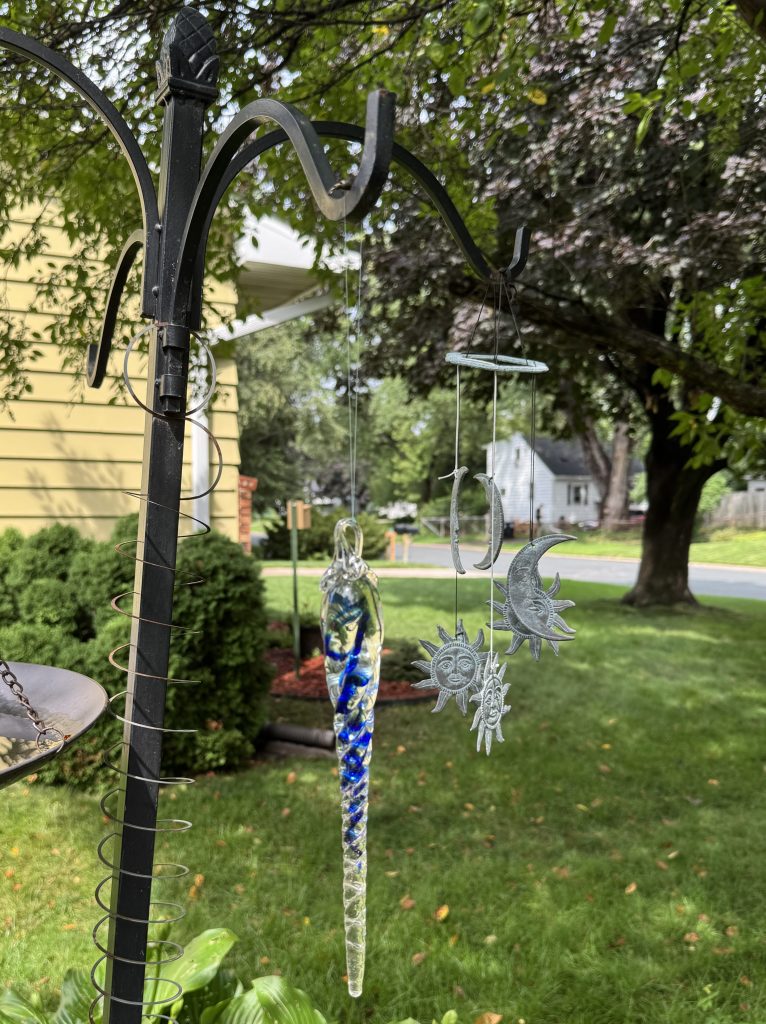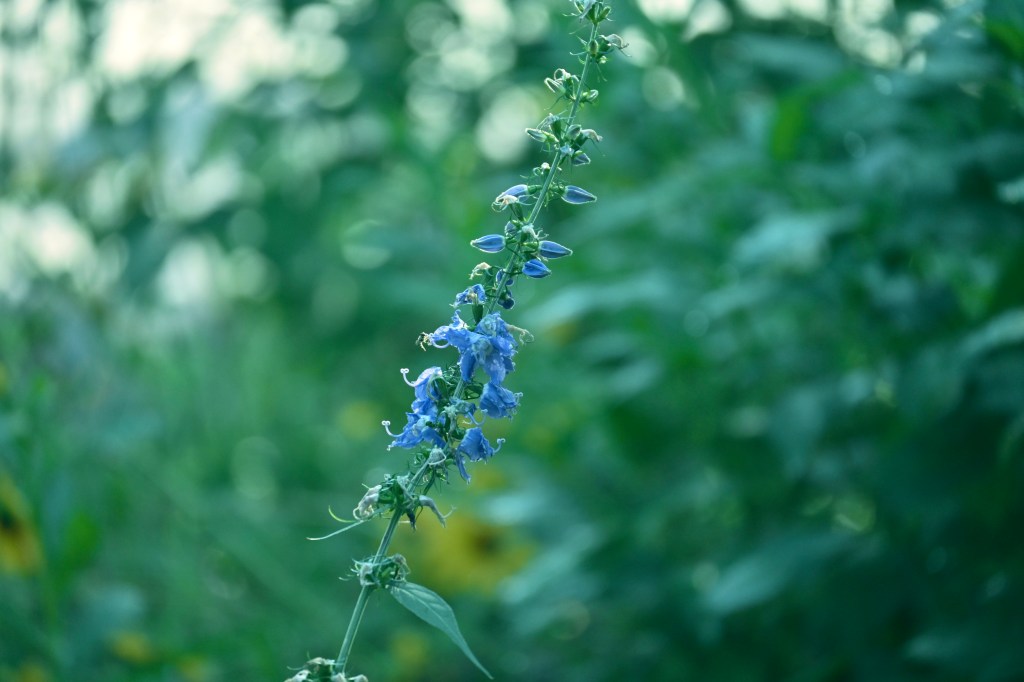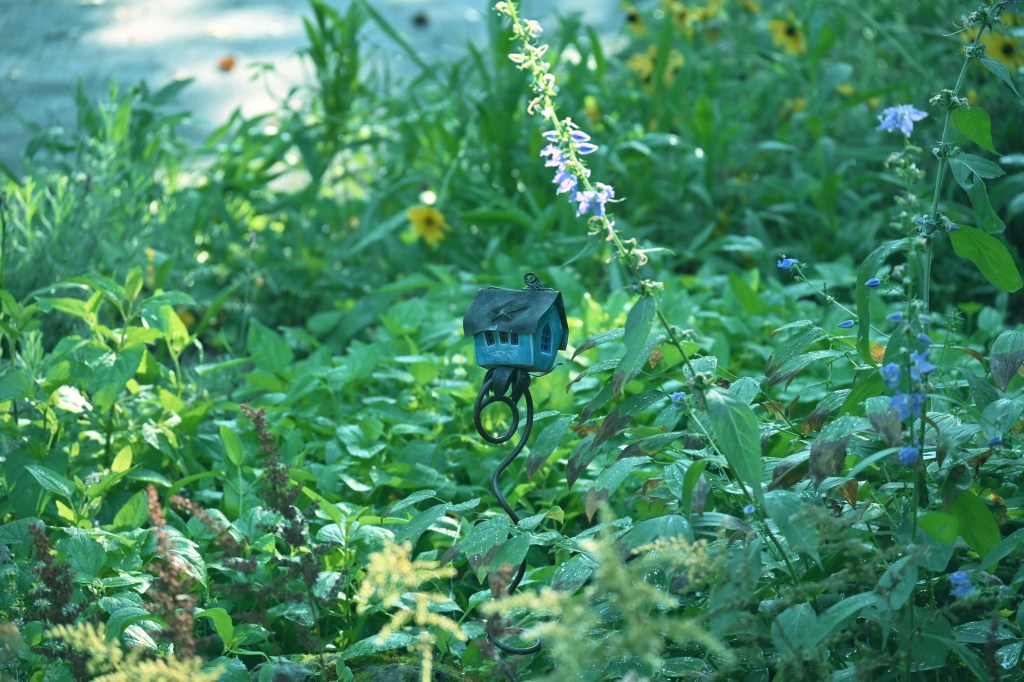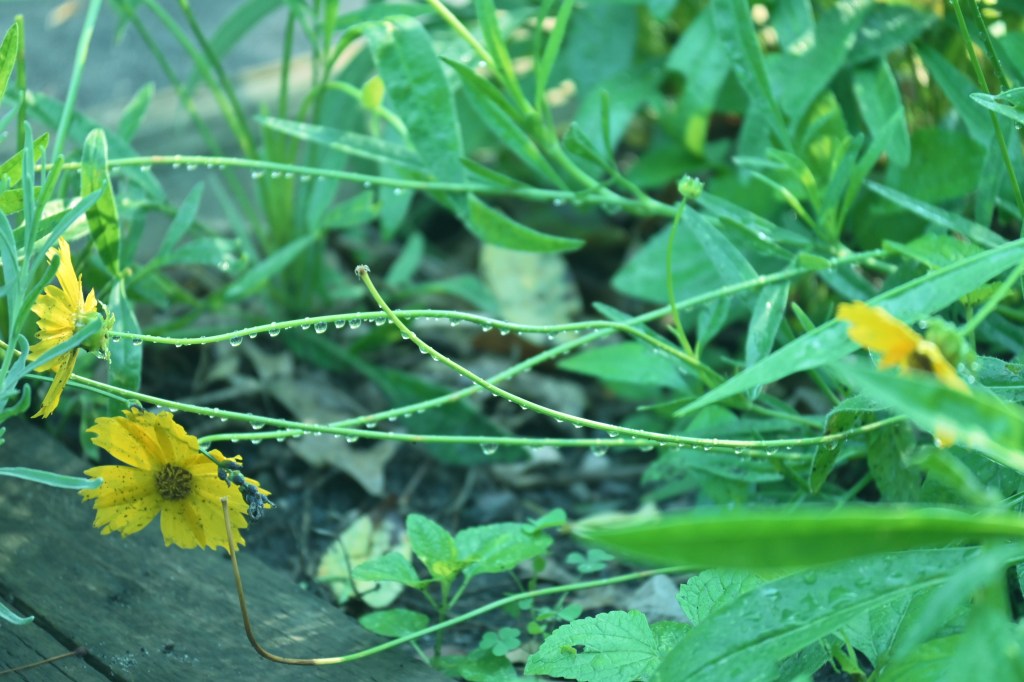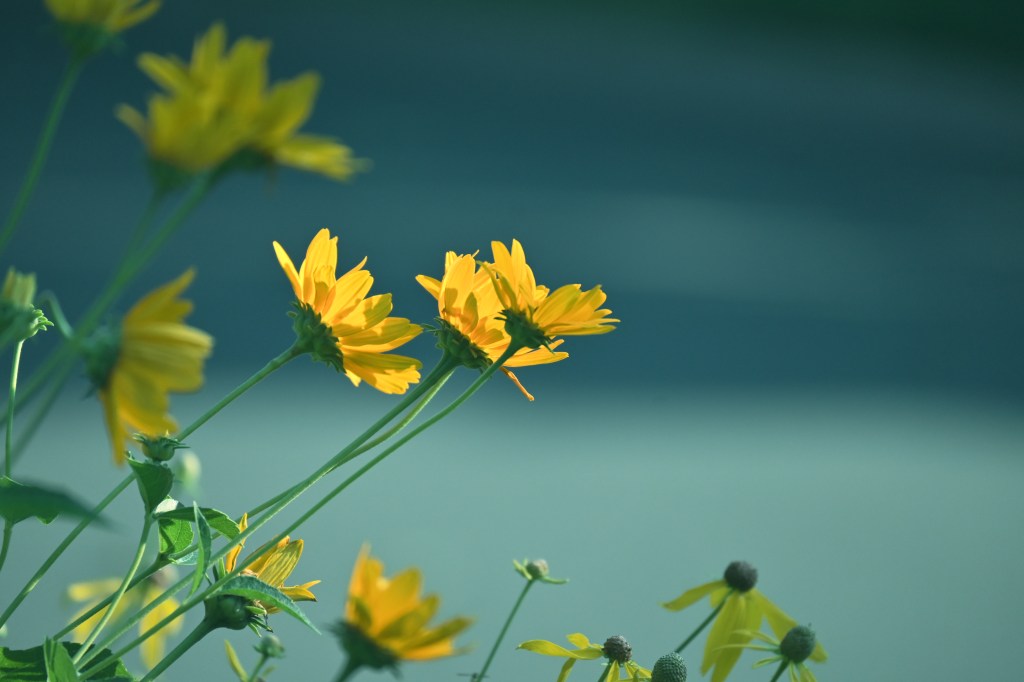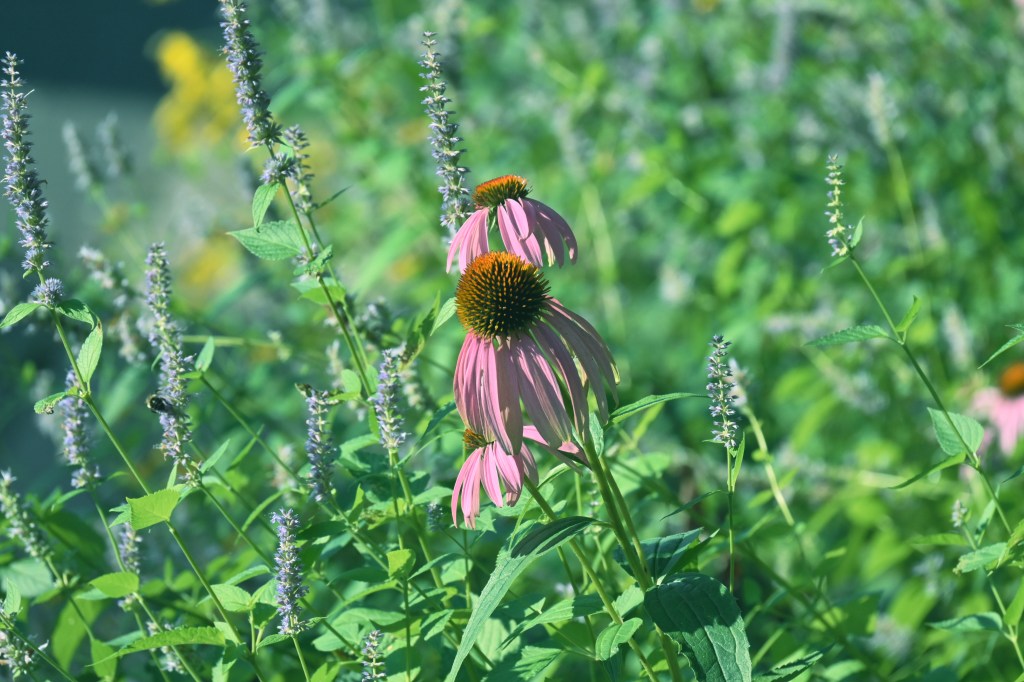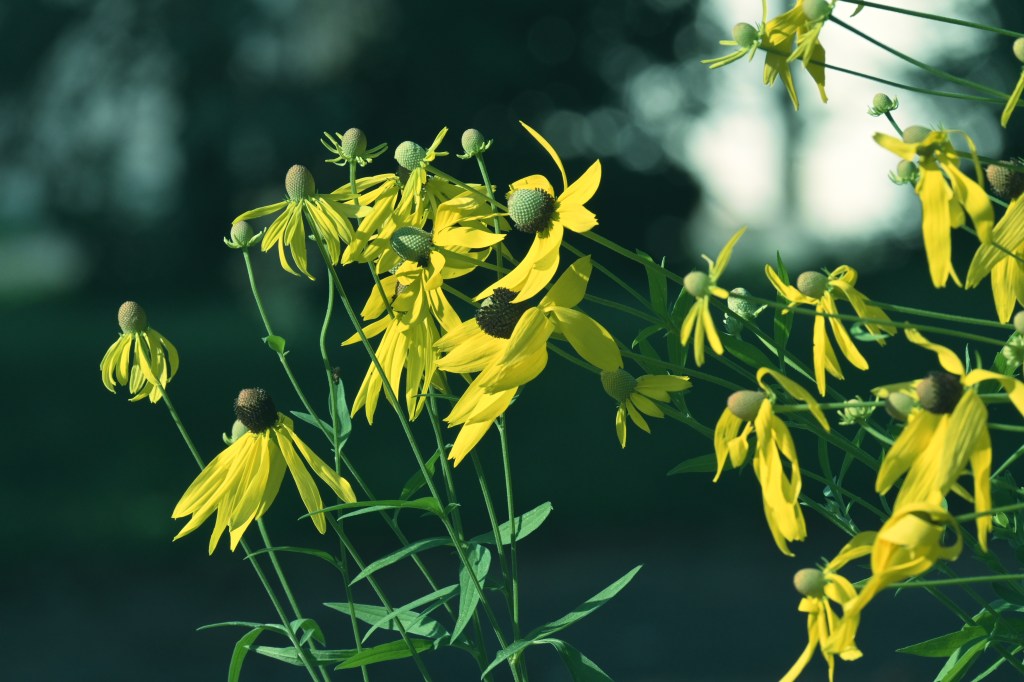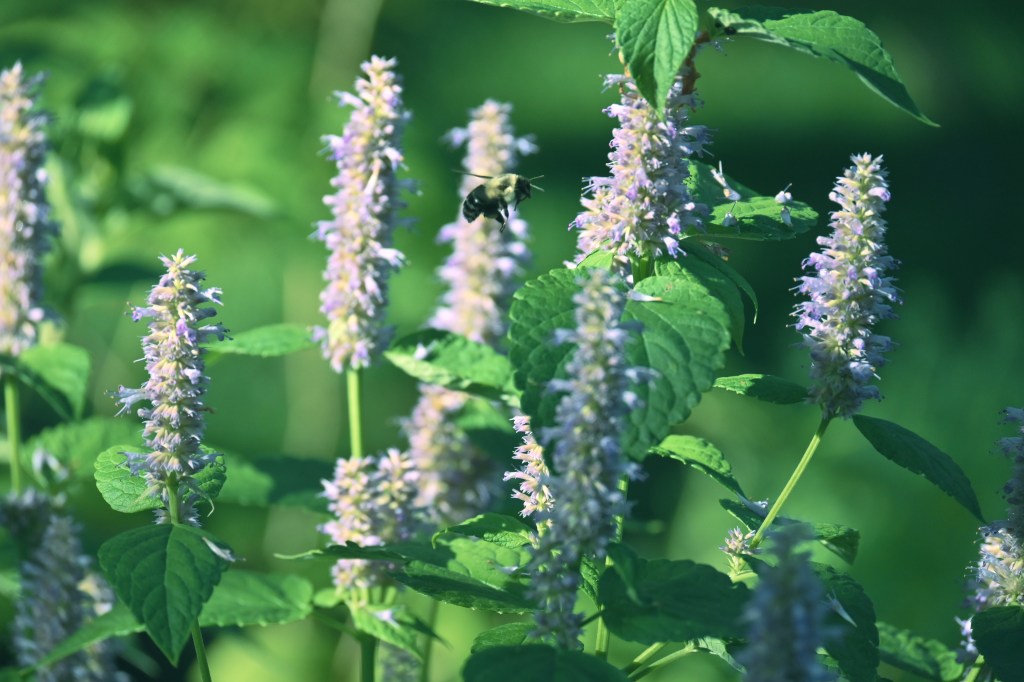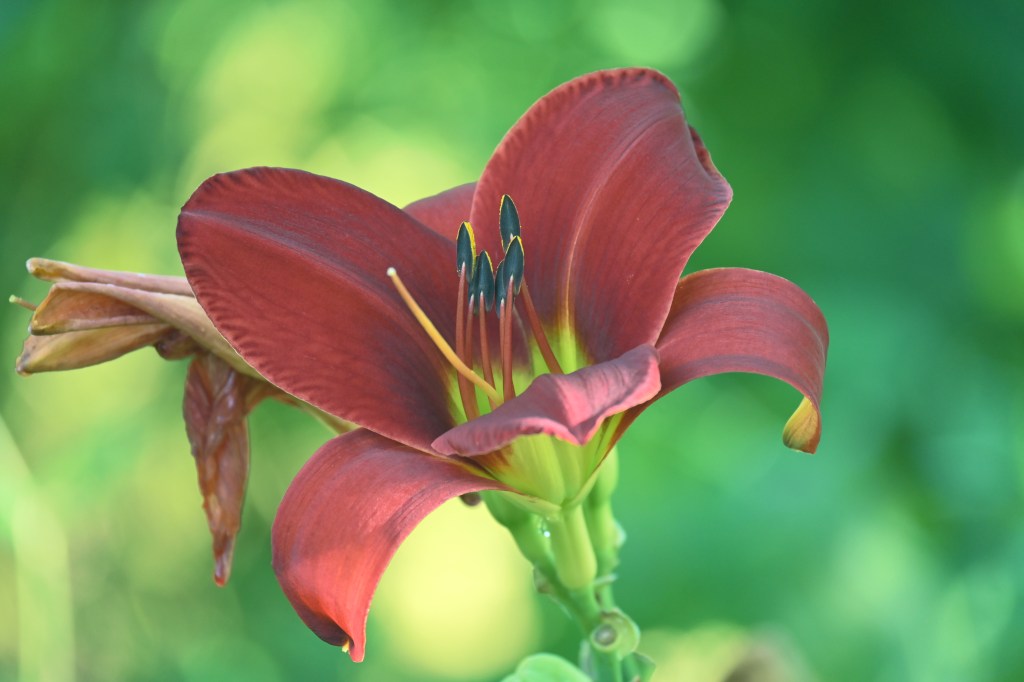
Summer Mood #2

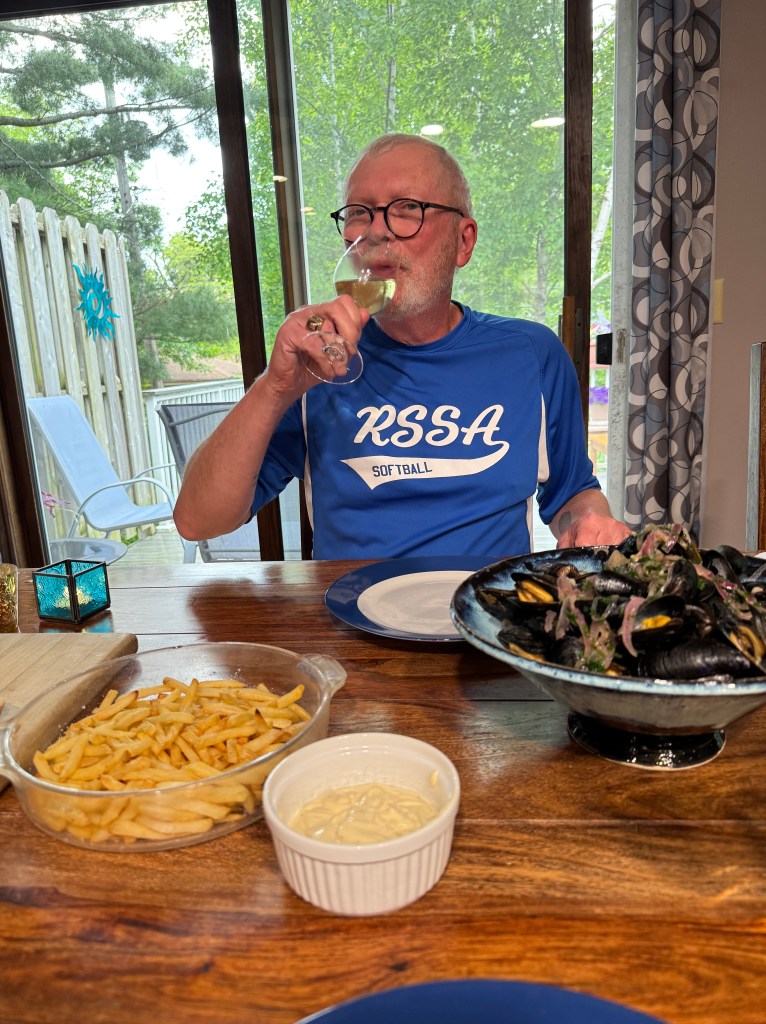
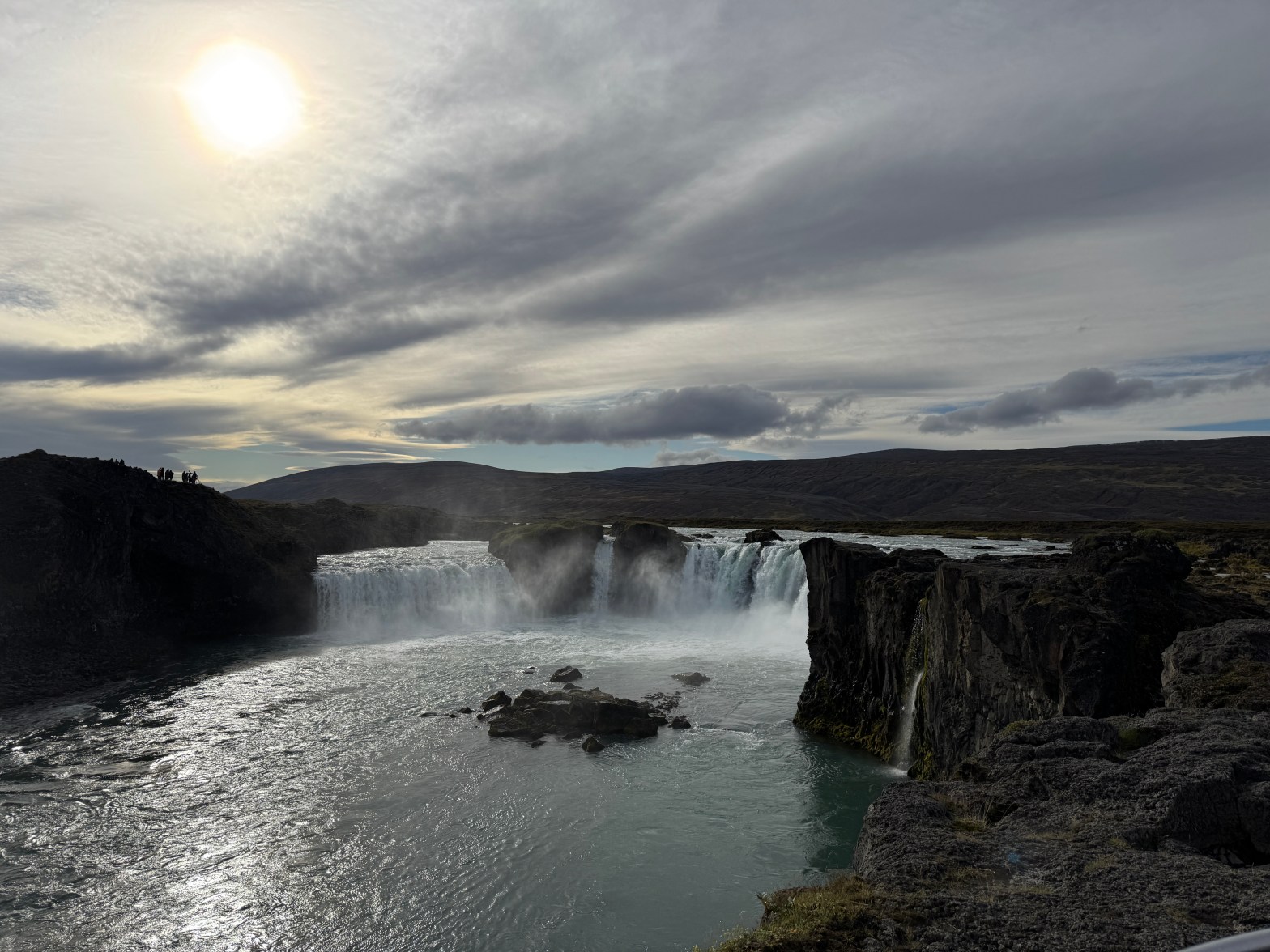
Days of storms – wind, rain, hail, garden drenched, softball games cancelled, trees snapped, power outages. Days of humidity and heat broken by those same storms. Days of wildfire smoke fogging the landscape, the smell filling our nostrils, breathing sometimes difficult, windows closed.
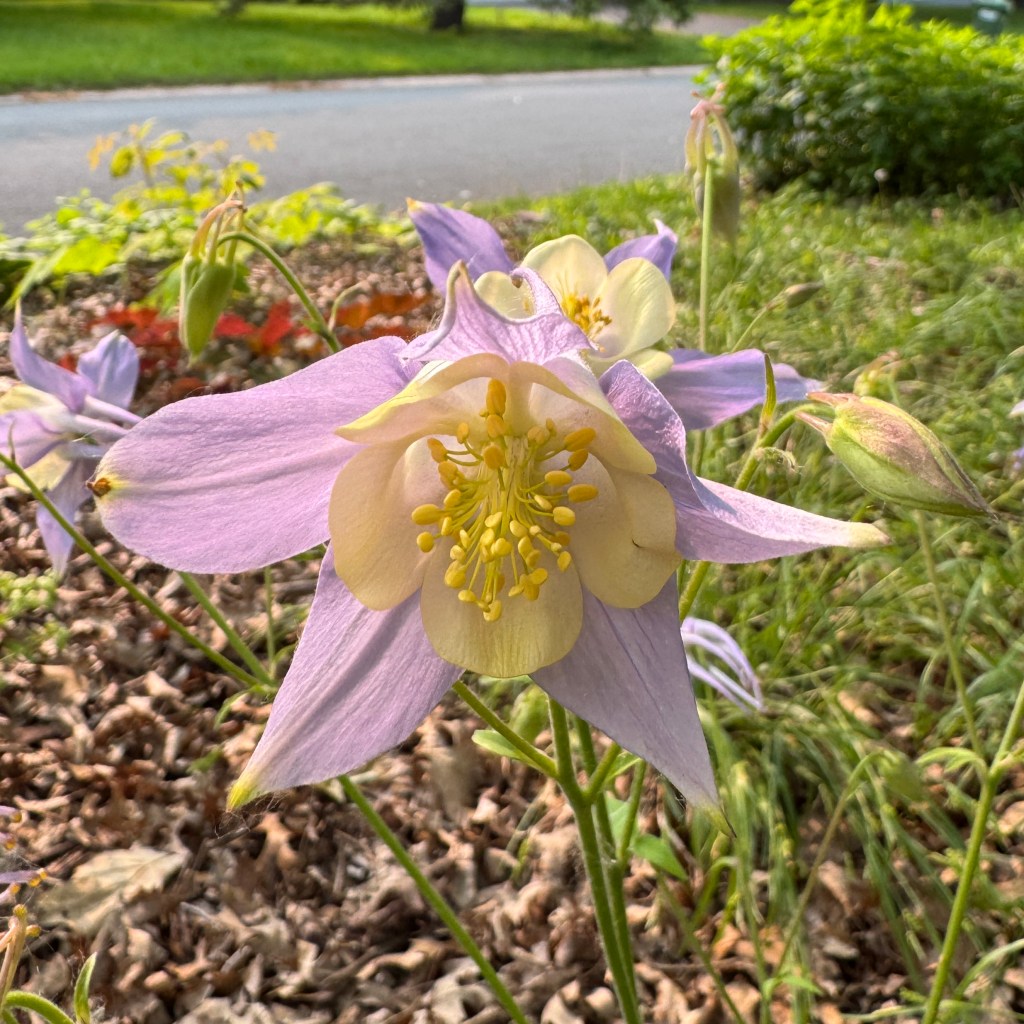
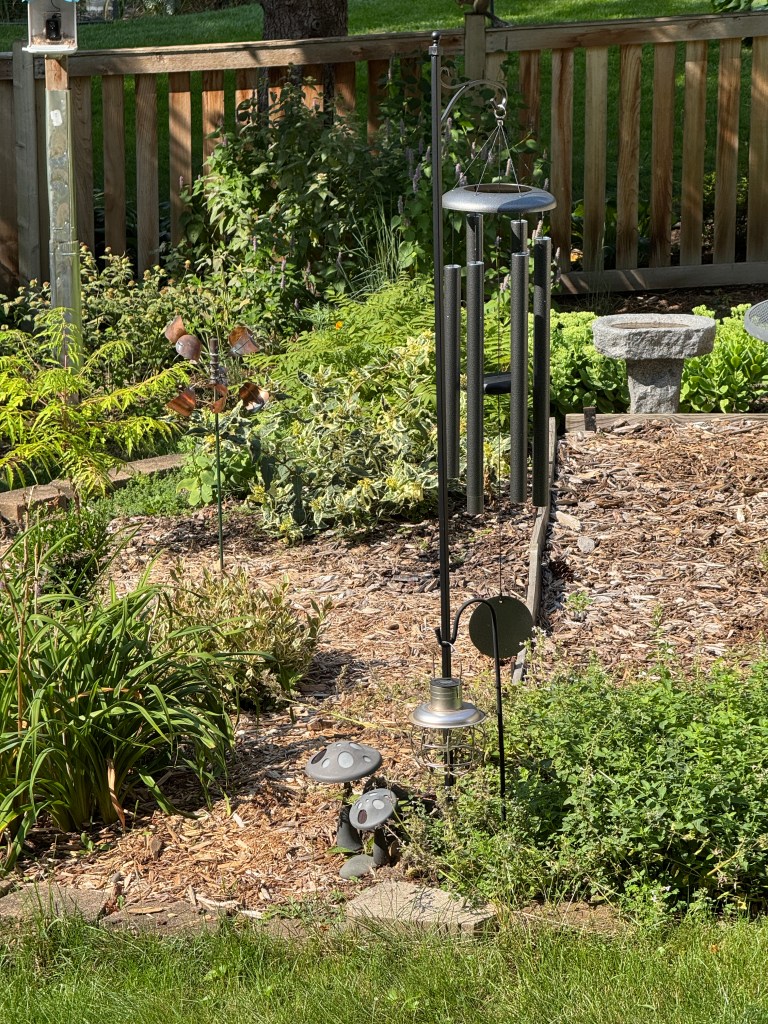
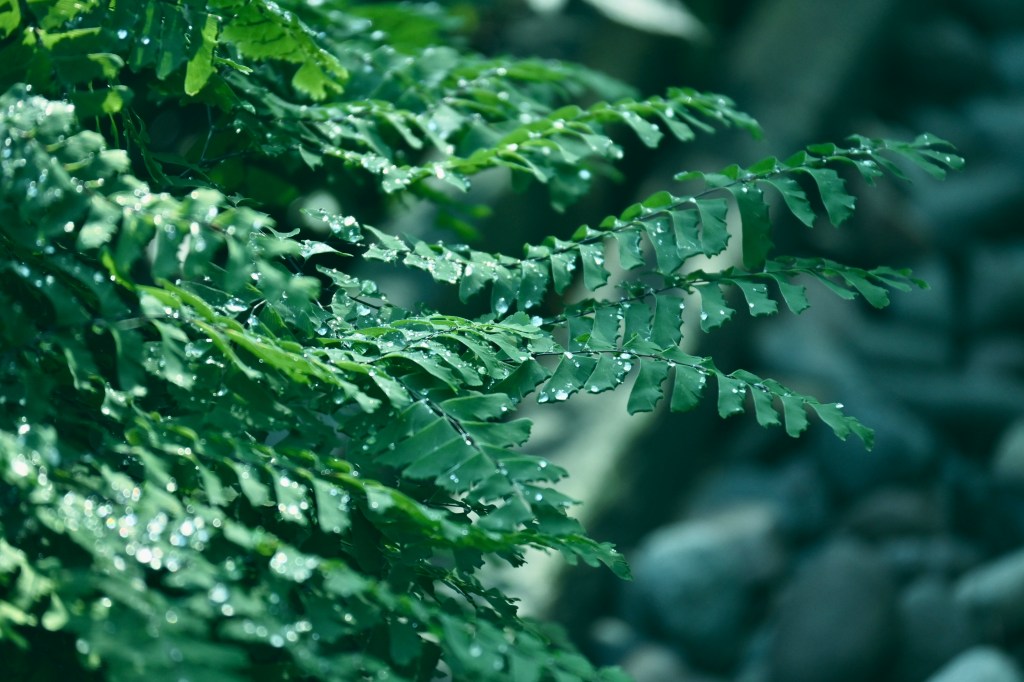
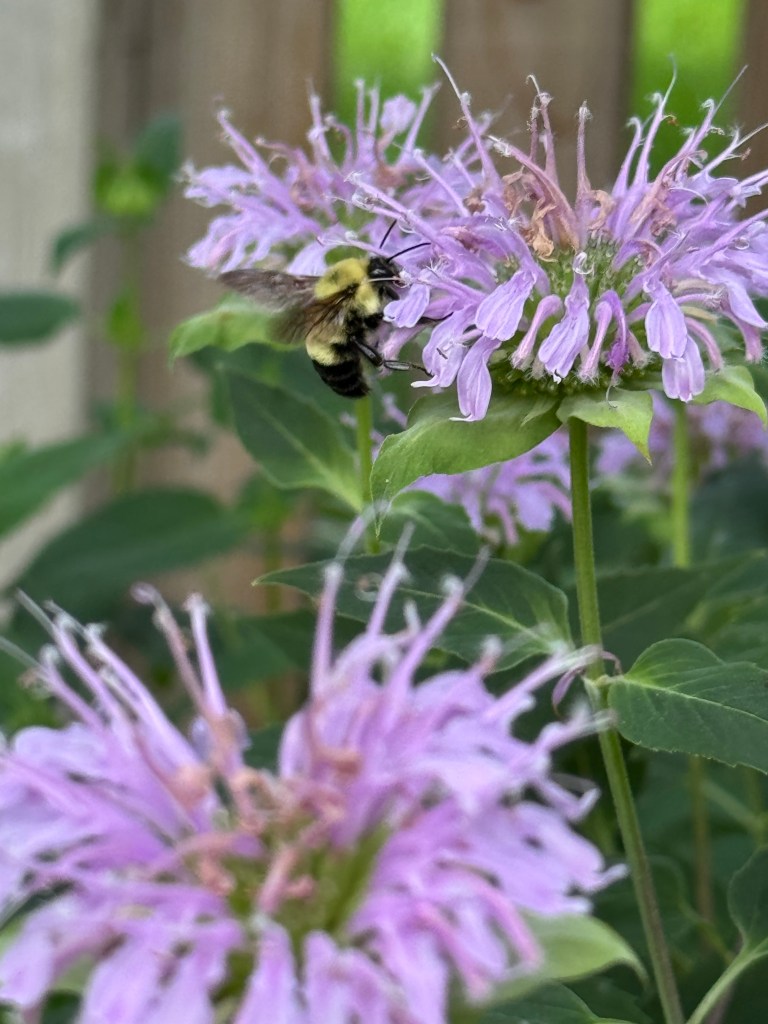
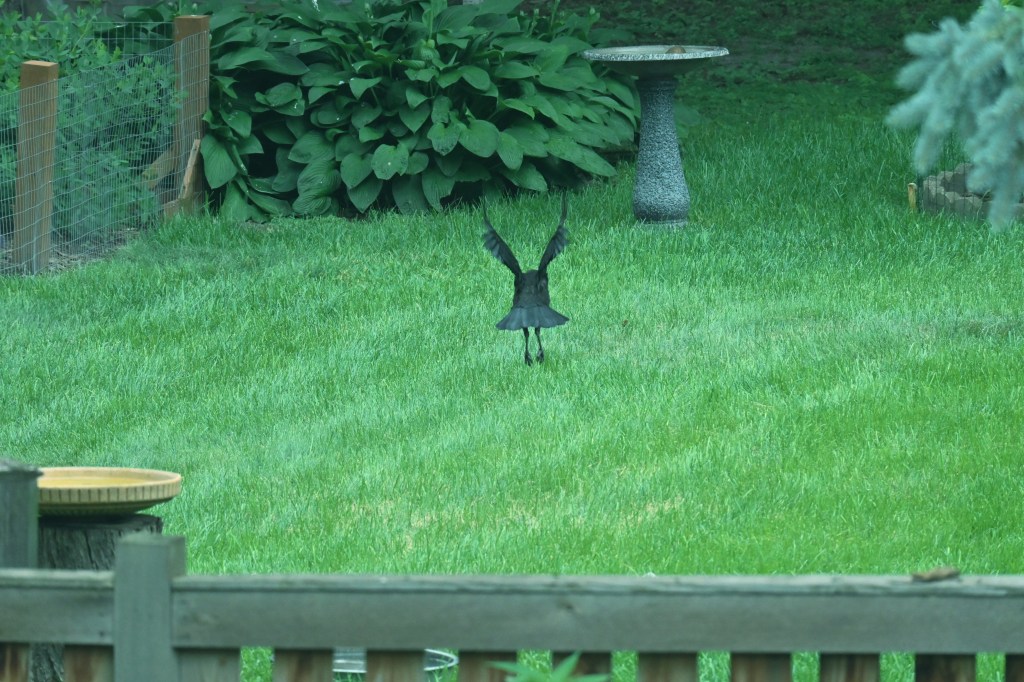
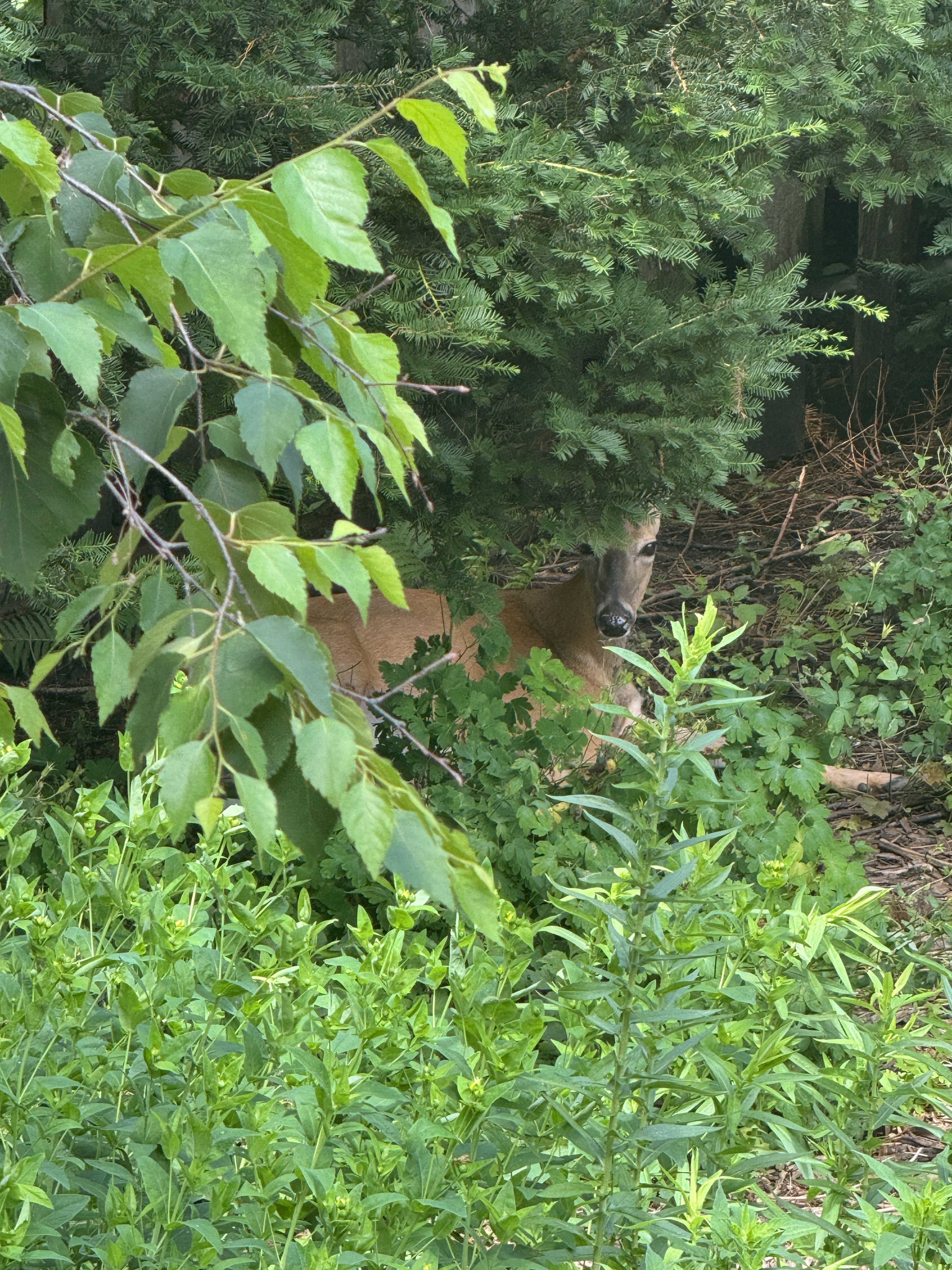
Still there is beauty.

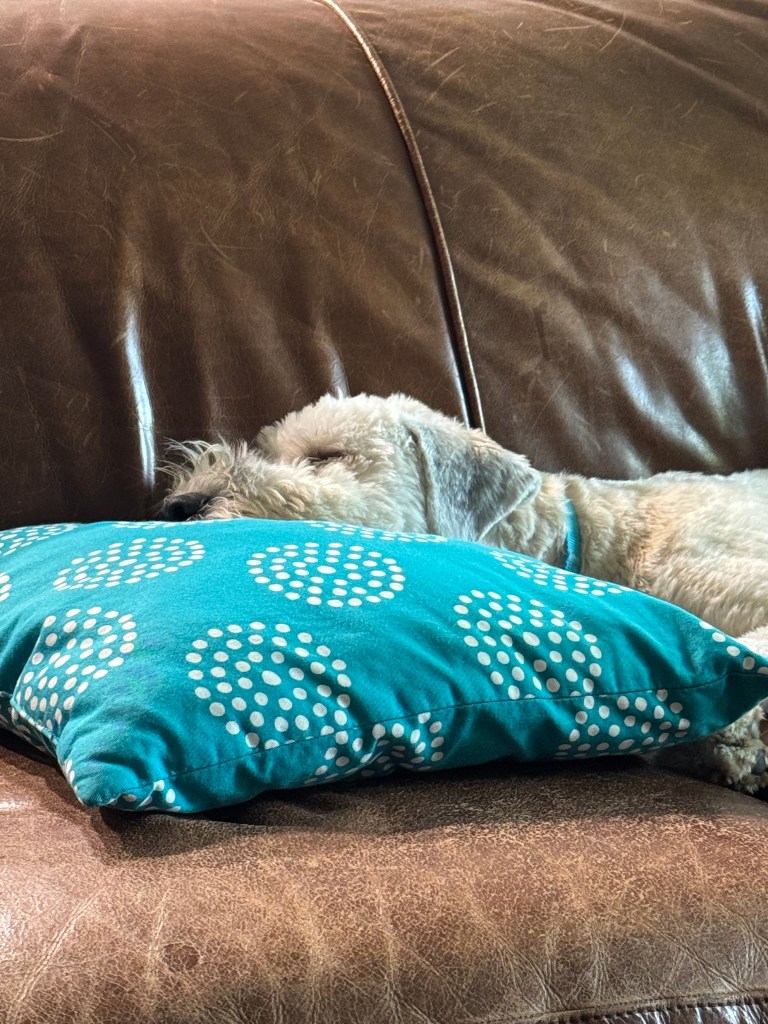
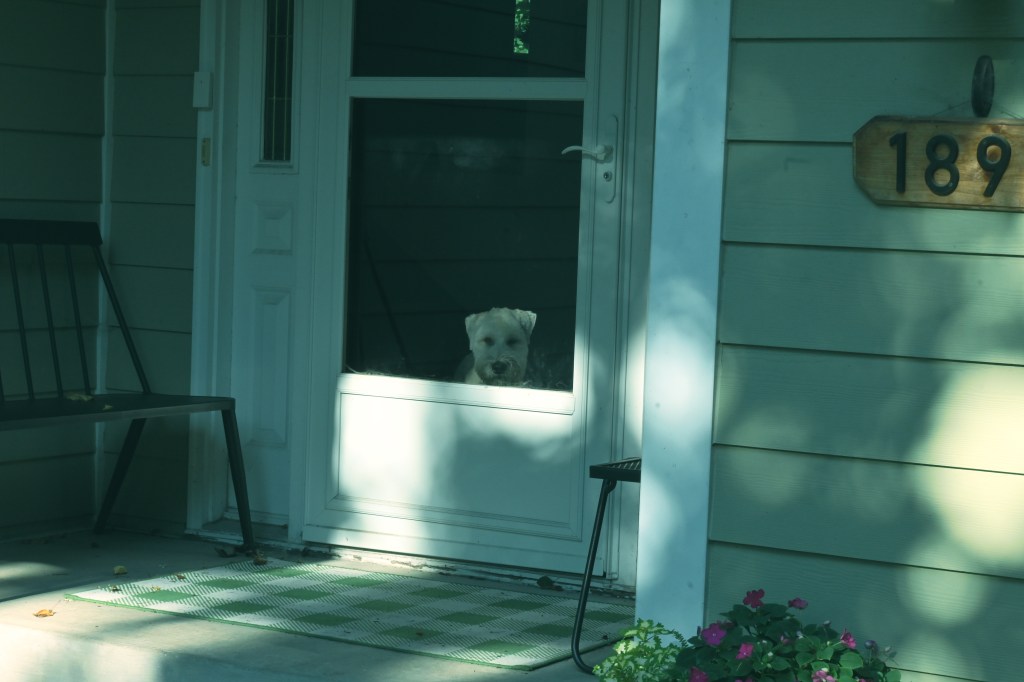
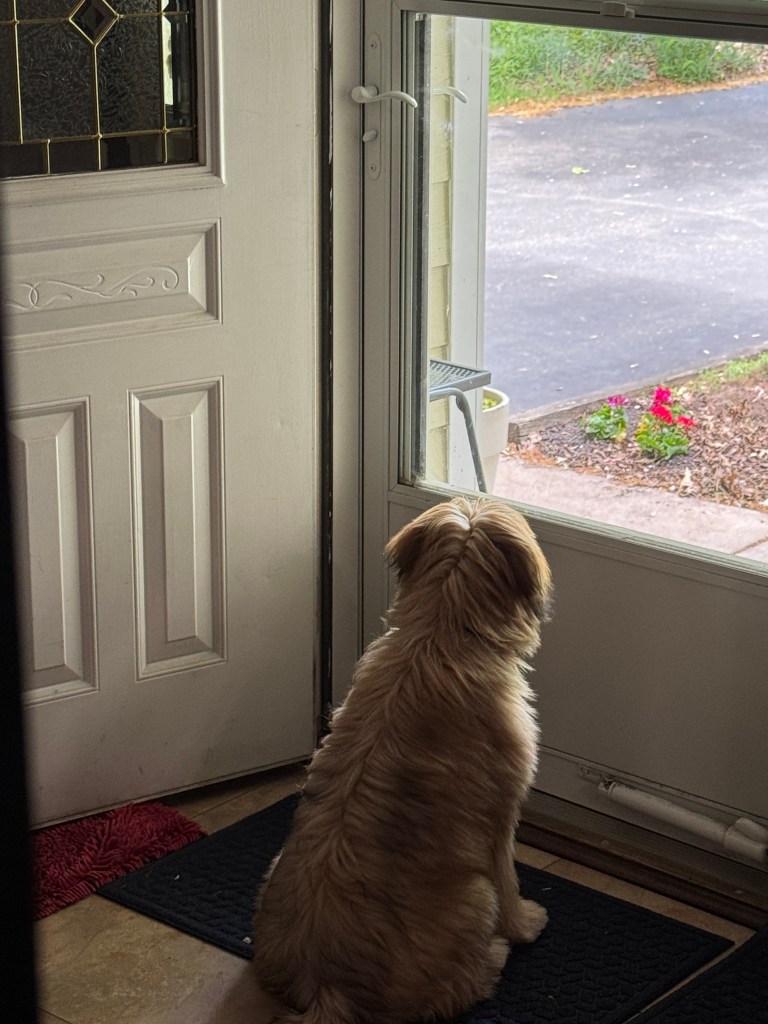
And there are joyful dogs just waiting for us to take them along wherever we’re headed when the rain and smoke clear.

All photos by kcmickelson 2025.

Summer Mood #1

Sticky hot days. Wildfire smoke blows into Minnesota from Canada. Puppy Finn now four times the size he was in February. The garden bursts with St. John’s wort, wild bergamot, coreopsis, lavender, yarrow, and day lilies. Bumblebees scuttle into flowers face-first, their fuzzy butts the only visible part of them.

Time slows if we let it. TV and computer both turned off. Cool drink within reach. Rustle of leaves from the birch trees overhead. Rabbits freeze in place, ears twitching, eyes locked on ours, until they boing-boing-boing away to safety.
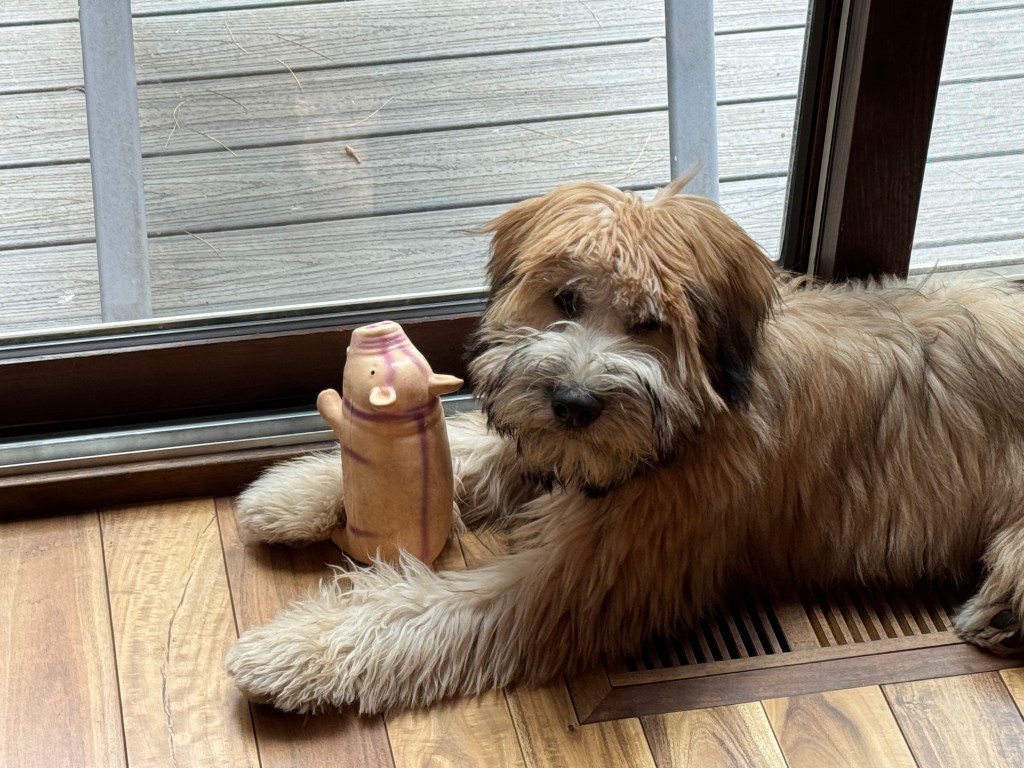
Dogs know. Lay down, be still, sleep but open your eyes every so often to look around. Say yes to walks and snuggles and treats – this is how to avoid regrets.

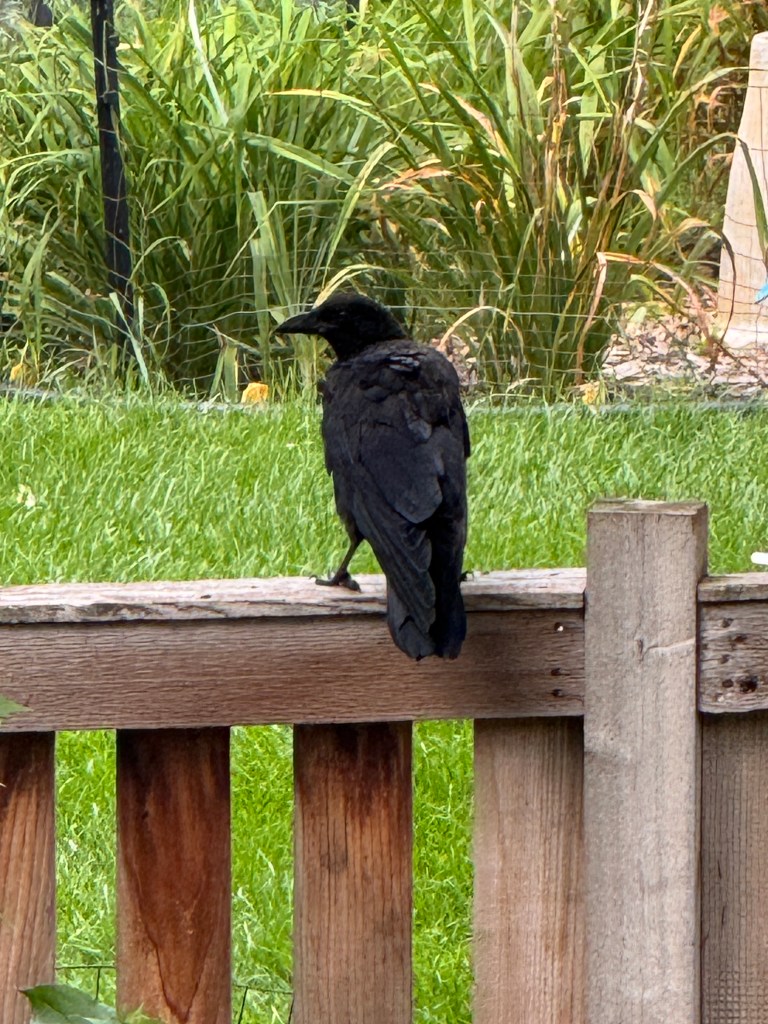
Listen to the crows. They have a young one they watch over in the neighbor’s back yard. The whole crow family pitches in. This may be how crows define love, loyalty. Everyone together, adults alert, babies safe.

Peace.

All photos by kcmickelson 2025.

Summer Shift

Attention spans are curious things. We work with children to develop attention spans so that they can concentrate on learning, on making commitments, on completing tasks. But if you’re a writer or an artist or some kind of influencer, you are admonished to post on social media daily lest you drop out of everyone’s newsfeed and people forget you exist. Something else nice and shiny will come along to claim everyone’s attention.

This bugs me. Especially in the summer, when all I want is to sink into languid warmth, be still, hang out with my dog or my family. I’ll be damned if I’m going to spend every free minute either posting or looking at social media. I do it enough as it is – enough to feel restless and anxious and realize when I need to step back. 

And this is when I need to step back. Summer is unfurling in all its petaled and leafy glory, the Fourth of July is looming, and the bad news of the world just keeps coming. 

I often go on a blog hiatus in the summer. I’m thinking something different right now, though. I’m thinking about images that feel peaceful and that is something I can offer, something that soothes those ever-shorter attention spans of ours. For the rest of the summer and maybe longer, depending on how I feel, that’s the direction I’m taking One Minnesota Crone. It’ll get my Nikon back in my hands and maybe spread a little peace.

And it’ll focus my attention on what’s in front of me. How very Zen, don’t you think? Enjoy. If some images spark some poetry or a story, even better.

Doe enjoying some summer respite in our back yard. Photo by kcmickelson 2025.

Raw Emotions, Steely Resolve

As I began writing this post on Friday, it rained outside my window and the local jazz station kept me company. I was in a foul mood. The week had been shitty on all fronts – in news of what happened in the world and news of what happened in my family. I got a stomach ache watching the coverage of the protests in Los Angeles and the subsequent over-reaction of the Trump administration, then fretted about my grown son whose father had a heart attack Monday afternoon that resulted in a triple bypass on Thursday. I hung out with my three-year-old granddaughter a couple of days to help out Shawn and Beka as they navigated Beka’s last week of school before summer break and Shawn’s long hours at the hospital. Maeve was in perfect three-year-old form: her answer to everything was no. By the time I sat down at my writing desk Friday morning, all I really wanted to do was sit on our deck with a shot glass of whiskey. Alas, the deck was drenched in rain.

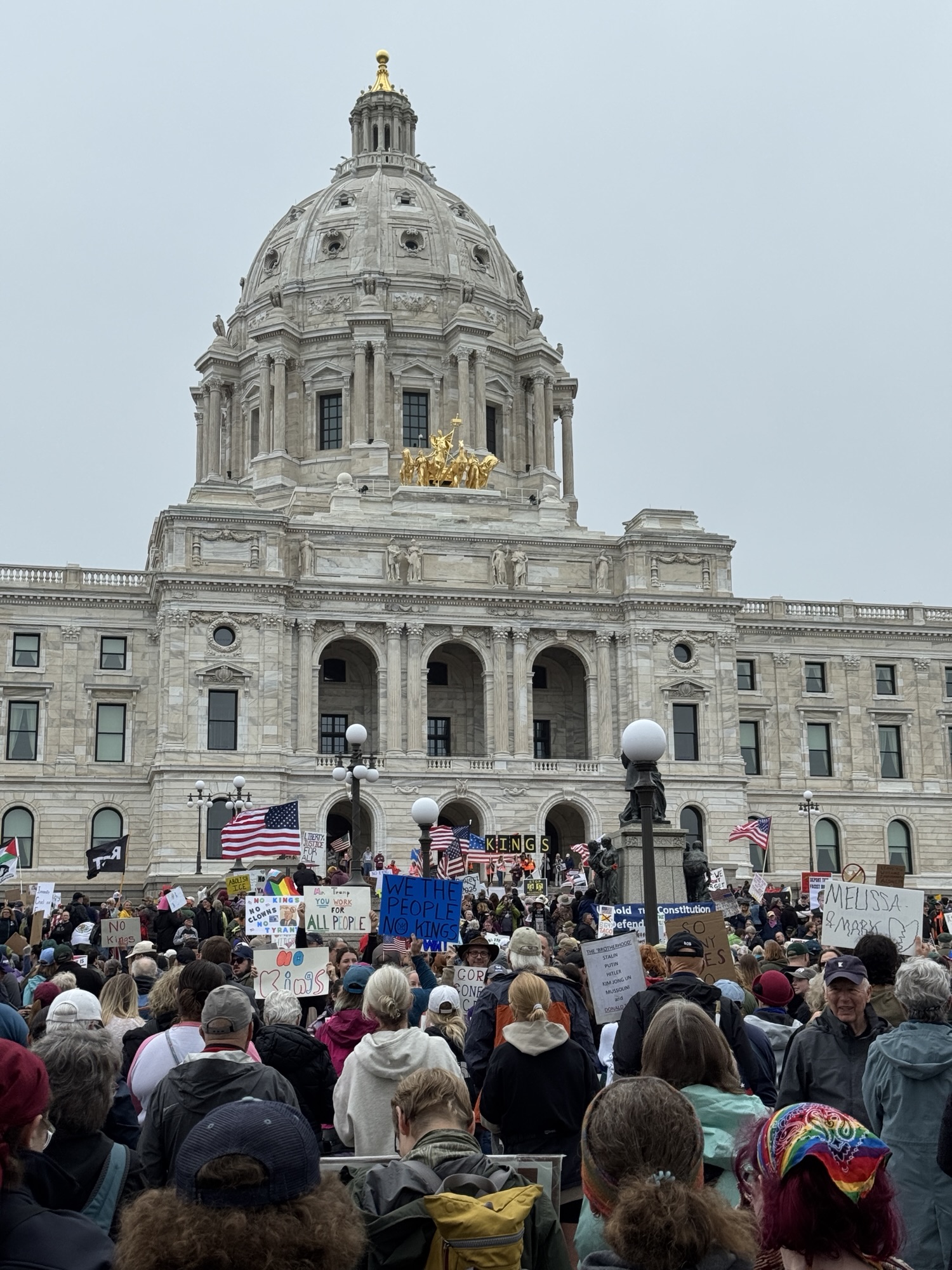
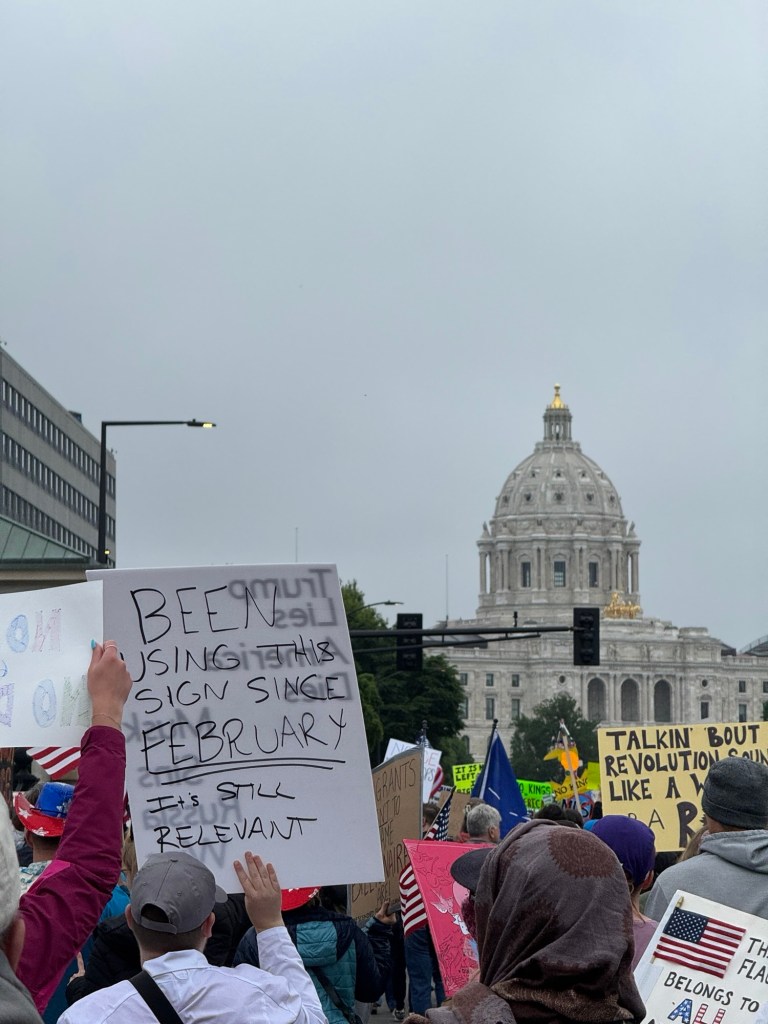
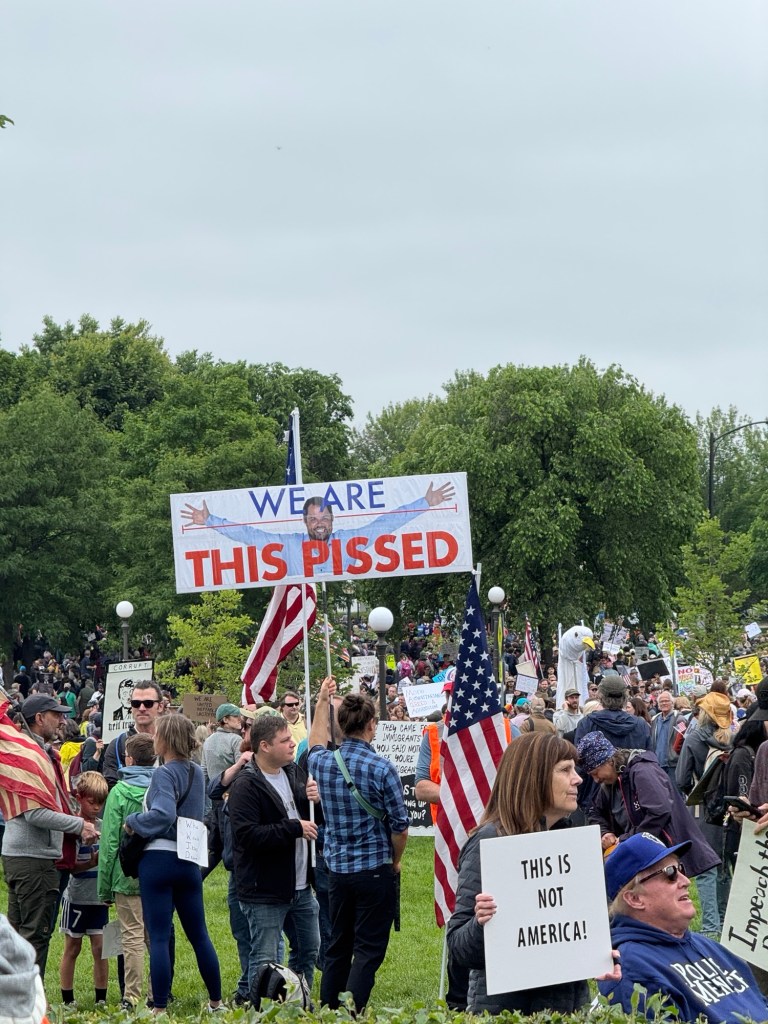
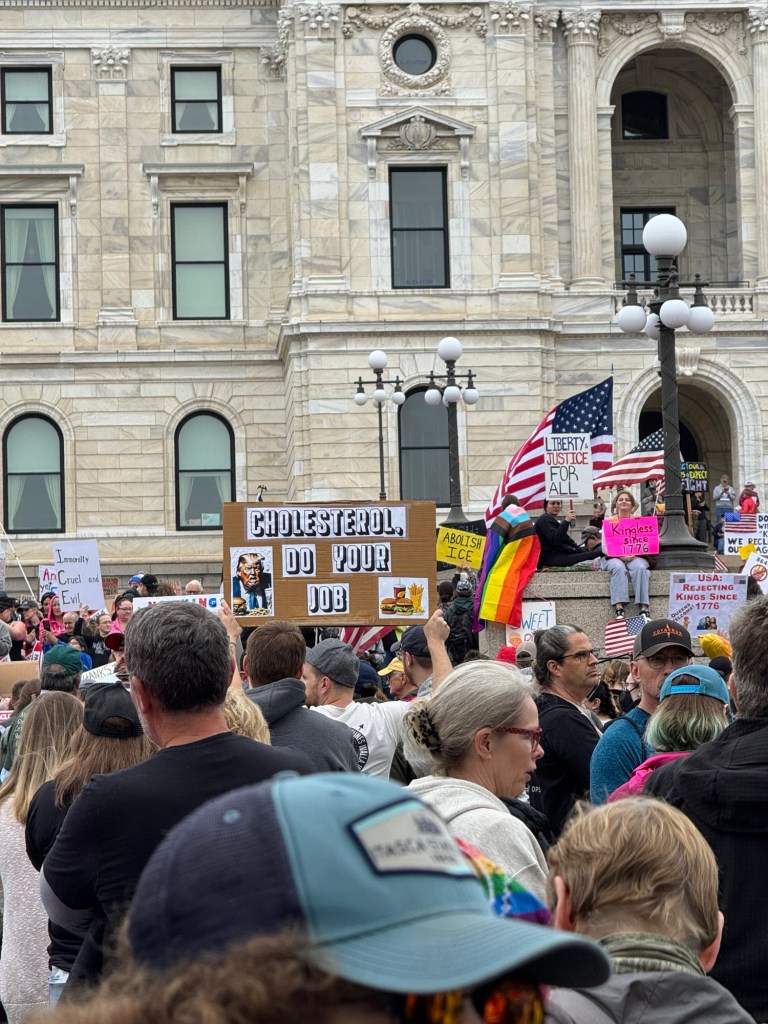
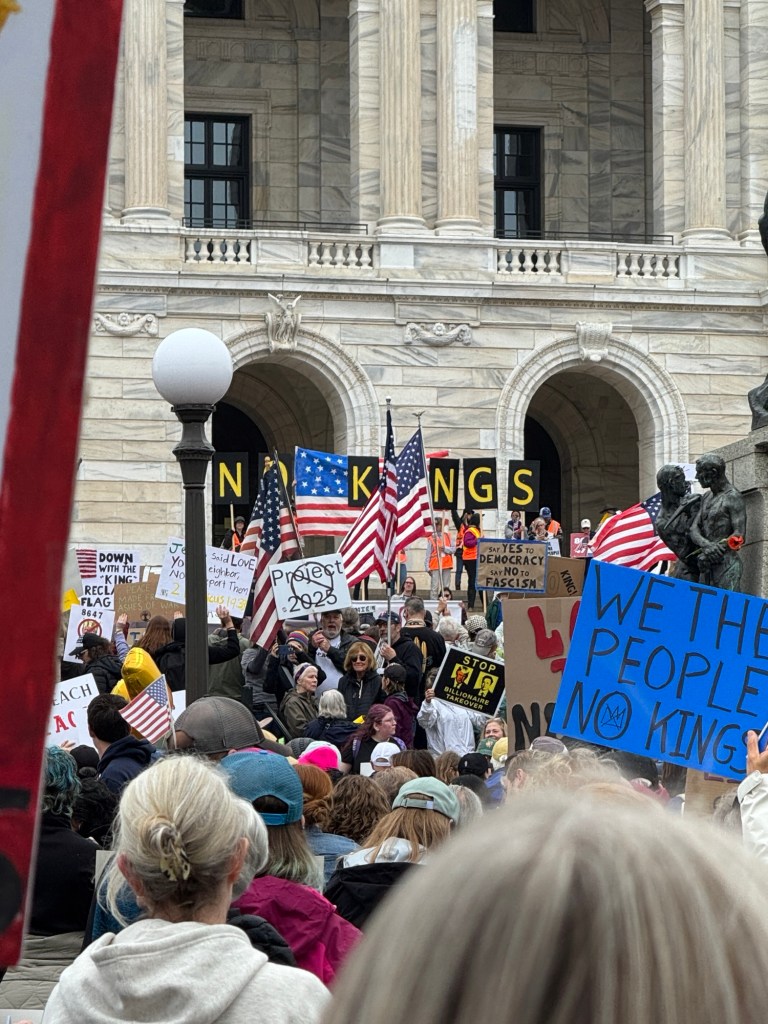
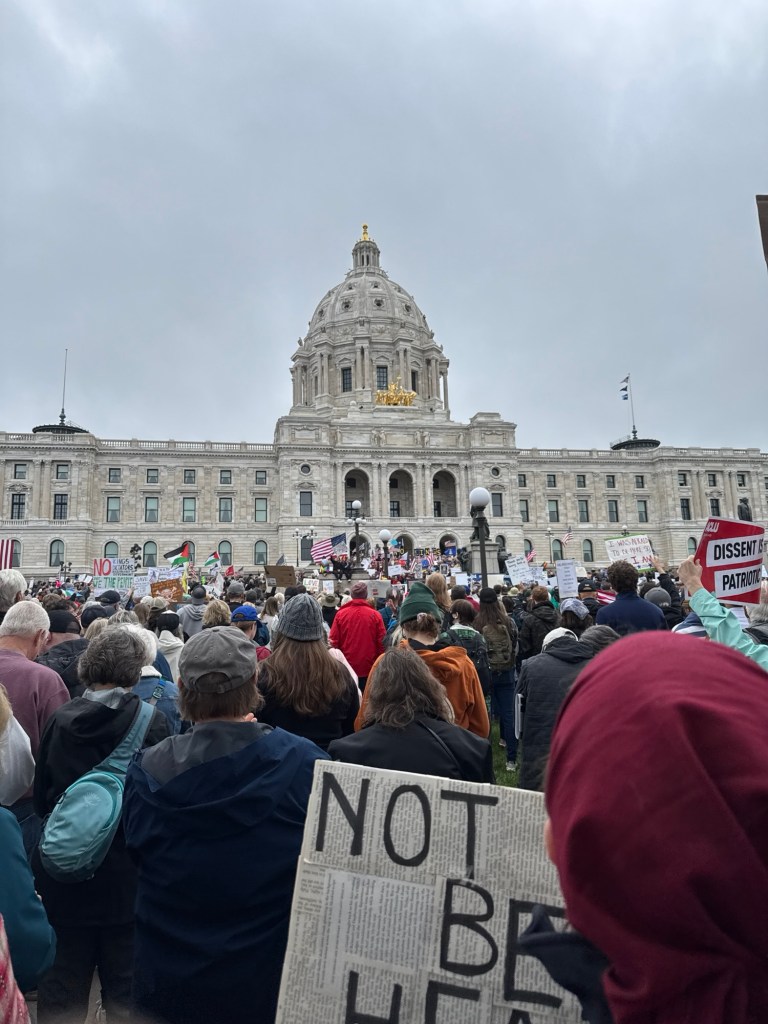
My stomach was also in knots thinking about Saturday’s No Kings rally in St. Paul, which Mick and I decided we must attend. This year marks the first year I’m afraid for my safety at such events. I’ve been to several demonstrations in years past – when the RNC was in St. Paul, the big women’s march in 2017, the March for Science, a big anti-gun rally after Parkland, two demonstrations so far this year. The one for Saturday had me worried, but, of course, that’s exactly what the current administration wants. So, I decided to stuff that worry and go anyway. Everything about our lives – safety, health, freedoms enshrined in the Constitution, a future – is at stake.

And then Saturday morning arrived. We woke to the news of a shelter in place order for the northwestern part of our metro area because someone impersonating a police officer had shot Minnesota State Representative Melissa Hortman, her husband, Minnesota State Senator John Hoffman, and his wife. Hortman and her husband died. Both Hortman and Hoffman were Democrats. The shooter, who ran away on foot when real police approached him, left behind a vehicle that looked a lot like a police vehicle and contained a list of many other lawmakers as targets, along with a manifesto. The list, apparently, mentioned the No Kings demonstrations. Public safety announcements went out, some events got cancelled.

But the one at the Minnesota State Capitol went on. Thousands of us showed up. The idea that someone would do such a thing, target lawmakers, try to scare people into staying home, pissed us off. It fired us up. We listened to Minnesota Attorney General Keith Ellison, and lawyer and activist Nekima Levy Armstrong, and others talk about the necessity of standing up for what is right in this moment. And continuing to stand up and oppose an administration that ignores the laws of this country, ignores the well-being of people everywhere. An administration that foments violent acts against anyone who might disagree with what’s happening.

This all feels surreal. Chilling. Whipping up fear to control an entire population is not a great long-term plan.

My mood has not improved. My resolve, however, is getting stronger every day.

Lessons from Our Dog

As I write this, our wheaten terrier Finn chases around the table where I sit, playing with a latex pig dog toy that grunts when he mouths it. It really sounds like a little pig. He loves to chew on the ears, which makes the pig grunt some more. He plops in front of the patio door where light streams in, chews his pig, stretches out, and is happy.

Having a puppy around reminds me how little it can take to be happy. At five-and-a-half months, Finn is already over 25 pounds. He loves everyone, has discovered rabbits and squirrels, and can last through a four-mile-hike. His needs are simple: food, water, shelter, a place to poop, playtime, and people to love him. 

Summer is unfolding here in Minnesota. Now that we are post-Memorial Day, our moods have shifted to embrace days of gardening, hiking, grilling, beer on the deck, evenings outdoors until it’s dark. Time spent with friends and family is easier, less planned. Life feels simpler for now.

This is the time of year when I realize I often loathe planning things far ahead, preferring to do things as they pop up. Being in the moment and scheduling stuff on the calendar feels like a dissonant pairing to me, forcing me away from what’s in front of me. I know planning has to happen for some things – job assignments, doctor appointments, milestone celebrations, that kind of stuff. But nothing beats spur-of-the-moment – seeing a neighbor while out walking and having a chat, calling friends down the street for an impromptu happy hour in the back yard, having a kid or two show up for dinner. This is the sort of lifestyle I like best. Laid-back, easy, no need for a dog sitter or a babysitter or a change of clothes or circling around looking for parking. Room for everyone.

Room for daydreaming, too.

Mick and I continue to read aloud from Pico Iyer’s Aflame over breakfast. The questions examined therein – What do we learn from silence? What to we bring back to our daily lives after sitting in silence? What do we really need to be happy? – fit right in with my summer mood. Especially the “what do we really need to be happy” question. 

Not as much as we think. That shift has been happening for me for a long time. The less stuff there is to worry about, the better. Travel was where I truly learned less is more: packing too much stuff hinders how we move around. Traveling lightly makes trips much more enjoyable, makes me feel freer. I stopped worrying about having lots of clothes to choose from – just in case – and now take only what I absolutely need and can rinse out in the sink if necessary. 

Making the leap from traveling lightly to living lightly is harder but just as satisfying. I’m in the process of paring down my wardrobe at home, too. But being satisfied with less is about so much more than clothes or shoes or whatever it is that we feel we should have to be happy. 

It’s about considering how open space in our lives invites love and connection, leaves room for moments of awe. 

As Mick and I read about Iyer’s loss of his mother’s Santa Barbara house in a fire, we talked about what would happen if we lost our house and the stuff in it. What would we really miss? What would we replace and what would we let go of? It’s an interesting exercise in understanding what is truly valuable in this life we’ve built together. I look around at our old furniture – we put off replacing our 20-year-old couch because of Finn – and figure if it’s clean and can still cradle our bodies while we watch a movie or listen to music, it’s fine. Our books are overflowing from our old bookshelves and that’s the way I like it. My memories of wonderful times include people, conversation, food shared, wine sipped, flowers perfuming a summer evening, a table outside somewhere, a dog at my feet. 

And half of those great memories are not from this house. They’re from all over the world.

I do love this spot where I’m working on my laptop. I have an office, but seldom sit in it when the weather is warm and the patio door is open to the back yard. Working at the dining room table doesn’t separate me from this little sanctuary of ours; it plops me right into the middle of it. The office happened because I needed a place where I could shut the door sometimes to write. And it has served me well. But now that there are no kids living here, I don’t need the door as much. There is a lot of quiet time – mornings with birds chirping right outside, Finn asleep on the floor, Mick watering new seedlings in the garden. I turn on the local jazz station, brew some tea, and go to work. It’s all I need on these summery mornings.

But I know I can do this in other places. Mick and I have no idea if this home is permanent or if we’ll be somewhere else in ten years. We live as if it is permanent, caring for this space and allowing it to be a buffer between us and a less peaceful life. Permanence is an illusion. Planning doesn’t save us from everything. And that’s okay. 

For now, I am grateful that this is the space I live in. I do not need more.

Finn would agree.

In Praise of Reading Aloud

After reading Aflame by Pico Iyer twice within the last month or so, I am reading it yet again. This time, I’m reading it aloud at breakfast with Mick. 

We have a history with reading books aloud at breakfast. We started during the pandemic when we read Zen Mind, Beginner’s Mind by Shunryu Suzuki together.  We had decided to deepen our meditation practice and there was no better time than when we were stuck at home for an unknown and frightening duration. Then we read Not Always So, also by Shunryu Suzuki. We re-read both books, trying our best to understand Zen Buddhist ideas and metaphors. We tried Norman Fischer’s work to see how a different Zen teacher talked about the same practice. I loved talking about these ideas early in the day, letting our conversations percolate in my head over the next several hours. The way we experienced the world changed a little bit and sitting zazen helped us navigate the pandemic. Our Zen practice, though spotty, has stayed with us.

Mick and I moved on to reading Margaret Renkl’s books, starting with The Comfort of Crows and then moving backwards to Late Migrations. Her work, so grounded in the natural world, struck deep chords for both of us. The books resonated because of our gardening and hiking habits, because of our efforts to go against the ideas we grew up with about having a lawn and bending our natural surroundings to human will. Renkl pondered what climate change did to plants and animals, how that spilled over into people’s lives. And, again, the conversations reading these works aloud sparked have stayed with me, allowed me to absorb the ideas in the books in a very different way than reading in silence by myself ever would. 

Reading as a communal experience is a gift. Our choices have all been nonfiction books so far, on topics that matter a great deal to us and with sections that are short enough to complete during our breakfast reading time. We don’t move through the books quickly; we limit how much we read each day to just a few pages. That means it takes weeks to get through one book, but that one book gets profound attention. The reading aloud piece makes it a much more intimate affair than when each of us read the books on our own and talk about them later.

Aflame is sure to elicit many deeper conversations in the weeks to come. A small flame of insight can burn for a lifetime.

Reading Pico Iyer, Appreciating Silence

Since my last post, in which I listed all the books I’ve read since the New Year plus two I had not yet finished, I became distracted by a new book that pulled me away from everything else I was reading: Aflame: Learning from Silence by Pico Iyer.

I read a review of the book somewhere (New York Times?) and was intrigued with the story of Iyer’s visits to the New Camaldoli Hermitage in Big Sur. He began visiting the hermitage in 1990 after the Santa Barbara house he lived in with his mother burned down. Quiet, contemplative spaces have always attracted me, as has the idea of what would happen if I had to start all over collecting what makes a home. Big Sur’s wild beauty, its space to disconnect from a nonstop-busy world, is a place I love. I immediately ordered the book from my favorite independent bookstore in St. Paul. 

It turned out to be exactly the book I needed to read right now. From the first pages of Aflame, where Iyer stands outside near the hermitage talking with two of the monks about how you pay for your blessings (as in the beauty of fire is stunning, but burns everything in its path), I knew I’d find many lessons in this book. I also found affirmation when Iyer told how a friend asked if he believed in God and he replied that it hardly matters. This hit me as how I’ve felt for a long time but never put into words. 

But it’s the silence that Iyer seeks out, and silence that soothes and restores him. Silence has always been part of my life in some way; being raised Catholic taught me that silence allowed prayer and contemplation from the time I was a baby. Even though I’ve left that tradition, I still appreciate the restorative power of silence. That early exposure helped form my inclinations to travel to Tassajara Mountain Zen Center, embrace yoga practice, enjoy solitude in my own garden, take long hikes in the woods. Silence can fill me up. It is the buffer between me and world when everything feels like too much; I’ve called upon quiet more and more in the past few years. Mick and I sought out silence last fall when we went to Big Sur ourselves – not to visit the hermitage, but to visit Deetjen’s and hike among the redwoods. We found ourselves without cell service, television, and internet; it was glorious.

Iyer’s book is full of wisdom that slows me down, makes me pause. Instead of gulping this book down the way I do novels, I wanted to let it unfurl in its own time. A little bit every day. It is, after all, a contemplative text. However, I read faster and faster the further I got into the book. The result is that I am reading it again. I can’t remember the last time I read a book for the second time immediately after finishing my first read-through. But I felt like I missed things in my excitement over how much this spoke to me. Passages I love are getting underlined in pencil this time around, and I appreciate the poetic lilt of Iyer’s writing. Research into some of Iyer’s essays in Time Magazine have filled in some of the background that led to the creation of Aflame. And I’m considering what I would truly miss if my own house went up in flames. 

The answer is almost nothing. There is artwork by my children in this house that I treasure. There are mementoes from travels with Mick, old photos of my parents. Everything else is replaceable. Not that I would replace everything. I see the value in living a pared-down life, one in which there is less stuff to cram into my living space. In that pared-down life is more room for the silence that lets in possibility. 

In fact, the urge to pare down what I have right now needs to be welcomed. I’m not sure what I’m waiting for. I can be my own quiet flame.

A Little Book Love

I’ve been taking breaks from daily news between the covers of a good book ever since the New Year. Now, when spring isn’t yet fully awake in Minnesota, being absorbed in a real book, flipping pages with my fingers, is a luxurious escape. No other distractions except Finn the Wheaten, who assumes that every time I sit on the couch, I’m available to give him a scratch or two while he lays his head in my lap.

The books I’ve chosen to read are not dystopian stories, since we’re already living in one of those. I do love crime novels, so have read a bunch because the good people – or at least people trying to do the right thing – usually win in the end. I’ve also enjoyed a couple of nonfiction books about food and wine, some historical fiction, and an entertaining novel with a sarcastic, smart octopus as one of the characters. Only one book of poetry made it into the mix in spite of this being National Poetry Month.

Here’s the list so far, a gift for anyone else who is also happy to rest between the pages of a good book.

Crime Novels

Vermillion Drift by William Kent Krueger 

Northwest Angle by William Kent Krueger

The above two books are both murder mysteries featuring Cork O’Connor, set in northern Minnesota. O’Connor is a somewhat tortured character with Irish and Anishinaabe heritage. And author Krueger pens his novels in none other than St. Paul, Minnesota. These stories are steeped in the northern Minnesota landscape and examine the tentative relationships between Native Americans living on the reservation and the white people who live around them, albeit from a white perspective.

Phantom Prey by John Sandford

Extreme Prey by John Sandford

The above two books are murder mysteries featuring Lucas Davenport and set in Minnesota and Iowa. Author John Sandford lived in Minnesota for many years and I could tell when I read these stories – the familiarity with this area was spot-on. He is also a journalist and the writing reflects that lean sort of style.

Historical Fiction

The Women by Kristin Hannah – I really loved this novel. The main character, Frankie, joined the Army as a nurse to follow her beloved brother who had shipped off to the Vietnam War. Turned out that her parents did not see her service as a good thing; that was something reserved for men. It was evident how much research Hannah did to get the story right; it haunted me to understand how women who served in Vietnam by saving the lives of so many wounded men were invisible when they returned home.

The Frozen River by Ariel Lawhon – This book fictionalizes the life of a real midwife who lived in Maine in the late 1700s. There is a good dose of feminism in this story, along with a demonstration of the importance of the role of midwives that went beyond the actual hours of childbirth. Oh, and there’s also a murder mystery snuck in here, along with misogyny and greed. There’s even a silver fox.

General Fiction

Remarkably Bright Creatures by Shelby Van Pelt – How could I not love a book that opens with an octopus’ point of view? Set in the Pacific Northwest, where of course one can become friends with an octopus who might know what happened to a beloved son who disappeared many years ago. The human characters are people I wanted to hug. Not a murder mystery.

Nonfiction

What I Ate in One Year by Stanley Tucci – Like reading someone’s diary and realizing you’d love to hang out in that person’s kitchen. Tucci is a nice guy who loves to cook.

A Season for That: Lost and Found in the Other Southern France by Steve Hoffman – Hoffman happens to live in Shoreview, Minnesota. And what does my fellow Minnesotan find in the south of France when he lives there for six months with his wife and two children? Himself. And community. And wine – lots of good wine. If you love reading about the French landscape, this book will satisfy you.

Poetry

Older, Wiser, Shorter: The Truth and Human of Life After 65 by Jane Seskin – I’ll admit I didn’t love this collection, but Seskin, who is a psychotherapist, does have a sense of humor about aging. As someone who is 65, I kept getting the sense that the author was far older than I am. This is a book I passed on to a friend with whom I’ve talked about aging recently. I did appreciate the vows Seskin made at the end of each section of the book – vows to live her life well and on her own terms.

And what am I reading right now? I have bookmarks in two books:  The Serviceberry by Robin Wall Kimmerer and Murder on the Red River by Marcie R. Rendon. And I’m not far enough into either one to comment on them yet.

Once the weather is more conducive to spending hours outside, I will do less reading and more hiking. But, for now, this is perfect.

The Finn Chronicles – #2: Losing Sleep, Cleaning Floors, Getting Snuggles

Right now, Mick and I are mostly staying home while Finn the Wheaten learns the ropes. Having my social schedule determined by a puppy hasn’t been all that bad, though. It lets me be a homebody for a bit without having to explain myself. It feels comfortable to stay home, cook, read, watch murder mysteries in the evening, meander around the yard in the morning with a dog and a cup of coffee. Comfort is in short supply as the world lurches and cracks. I’ll take it.

This past weekend was a gray, wet example of March in Minnesota. On Saturday, I walked Finn in sharp morning air. Some other dogs were barking up a storm, but Finn, to his credit, was too busy sniffing and listening and looking around to answer back. At not quite four months old, he is learning leash etiquette. It’s slow going. He jumps on me at least once during each walk, as if to check that it’s still not a thing he should do. I’ve been making sure to wear old pants when I walk with him since he put a hole in one pair I love with those sharp puppy teeth; he nips at my pants every time he jumps on me. He’s not as persistent as he was the first time he tried this kind of behavior – that was the day he put the hole in my pants and he would not stop jumping on me, grabbing my pants in his mouth, making a giant game of it. I spent several minutes putting my knee out to make him get off my leg, only to have him jump again. I finally turned my back to him and waited him out. What is it about jumping that puppies love so much? We’ll have to talk to our trainer when Finn starts puppy classes in another week and a half. We’re determined to train this dog a little better than our first three. We’ve never been very strict.

But Finn is going to be a bigger dog. We are older. We have to be strict about behaviors that could hurt not only us, but our three-year-old granddaughter as well as anyone else. We want a polite dog.

He’s already quite a snuggler. He loves to hang out with us on the couch when we watch shows in the evening. He hangs out at our feet during dinner – mostly. In fact, he’s hanging out near my feet as I write this post, laptop set up on the dining room table. And I’ve discovered he really likes being out on the deck when we’re out there. It hasn’t been warm enough often enough yet this year to do that much, but he spent a good amount of time out there with me on Friday, while I had a cup of tea and read a book. He didn’t bark once. That is my favorite thing about him right now – he doesn’t bark his head off even when he sees another dog. Our last dog, Truffles the mini doxie, barked until she worked herself into a frenzy; she was the most reactive dog of the three we had before Finn. This is a nice switch. 

But life with a puppy is exhausting. We knew it would be. Finn was doing really well sleeping through the night and mostly getting outside in time to pee until a bout of puppy diarrhea set him back week before last. We relearned the recipe for a bland dog diet with rice, ground chicken, a little yogurt. We were also reminded how slowly kibble needs to be reintroduced; we went a little too fast and his upset returned. The vet wasn’t too worried, though. Puppies are like that. (By the way, Puppies Are Like That  by Jan Pfloog is one of granddaughter Maeve’s favorite books.)

Meanwhile, our daily walks are good for all of us. Finn has met a few more neighborhood dogs, convinced a lot of neighbors to pet him, and sniffed his way through the entire area. Mick and I are working on our patience, letting Finn explore a bit, and praising him as much as we can. And we’re happy to see our neighbors on our walks, too. A dog can be just the thing for a little more community connection. 

I can’t wait until he starts his training classes and we are with other dogs and other puppy owners. Granddaughter Maeve gets to tag along for Finn’s first class. We’re doing the classes through Canine Coach in St. Paul, a place we’ve heard good things about from at least four other dog owners. We’re looking forward to expanding our community.

And to a dog who sleeps through the night. No foolin’. Happy April, everyone.


One more thing!

Since this is the beginning of National Poetry Month, Finn recommends I Could Chew on This and Other Poems by Dogs by Francesco Marciuliano.

And I recommend Dog Songs by Mary Oliver.

Happy National Poetry Month!

Ides of March

In thinking about moments that keep me sane right now, I’m considering what quells my fears for a bit. Loosen anxiety’s grip around my throat. Turns my head to a view that doesn’t include any monsters who disregard the chaos they leave in their wake.

I’ve written before about finding whatever builds our resilience and nourishes our strength. We are all called to do world-changing acts, contribute to the good of others, especially when things are out of whack as they are now. Things we do to sustain ourselves in private moments matter to keep ourselves going. These are some of mine, in no particular order. 

  1. Making a home for Finn the wheaten terrier, whose training takes up a lot of our time
  2. Morning coffee made slowly in a pour-over pot that lives on the back burner of our stovetop
  3. Evenings on the couch with Mick, watching detective, medical, and mystery series of all kinds
  4. Cooking for and with family and friends as often as possible, and lingering around our dining room table
  5. Reading book after book – novels, nonfiction, poetry
  6. Enjoying a glass of red wine while preparing food for dinner, music or news playing in the background
  7. Stepping outside with Finn right before bed and looking up at the night sky
  8. Waking up between five and six a.m. when Mick gets up, then snuggling under the covers to doze off a little more
  9. Singing granddaughter Maeve to sleep at naptime after a lunch of buttered angel hair pasta – always pasta with this kid
  10. Daily walks around our neighborhood, usually with Mick, always with the dog, sometimes with Maeve

I am grateful that I can add things to that list on a daily basis, find moments of loveliness that remind me the world is a balance of good and bad, unbearable and magnificent. 

We can choose which to focus on.


It was five years ago that the world as we knew it shut down. March 13, 2020. Suddenly, everyone was at home, scared out of their minds that a new and deadly virus was killing people all over the world, threatening everyone but especially older people or people with compromised immune systems. We didn’t really know what we were looking at, didn’t know exactly how COVID was spread, didn’t have a vaccine for it, and disagreed on how to tackle a pandemic in a modern world full of misinformation. Many thought things would go back to normal in a few weeks or months. Tempers flared the longer lockdowns, distance learning, and remote work went on, dividing people into those who masked and those who did not, those who believed in public health efforts and those who did not.

I have a close friend who was on the front lines as a nurse in a Twin Cities hospital. I remember her talking about her face getting sore from being masked all the time, families of patients being unable to visit their loved ones in the hospital, how she took off her scrubs and shoes before she even got into the house so that she didn’t expose her own family to anything and headed straight for the shower. The suffering patients she saw should have convinced anyone of the wisdom of taking care and masking up and being smart, but we all know the rest of this story.

My granddaughter Camille went to distance learning and spent hours in her bedroom, learning through a computer screen, her third-grade self adaptable but probably quite confused about what was happening. And then her parents, my son and daughter-in-law, moved to remote teaching so that all three were at home in a two-bedroom apartment trying to work without interrupting each other Monday through Friday.

My daughter, an employee of Target but not at the corporate level, did not have the option of remote work. She had to show up and hope that she didn’t get COVID herself, because as someone with type 1 diabetes that could very easily have landed her in the hospital. She masked up religiously, washed her hands constantly, and somehow made it through three years of the pandemic before she contracted COVID. By that time, between vaccines and the evolution of the virus, her case of COVID was not too bad. 

I remember scheduling weekly video chats with both kids and their families so that we could see each others’ faces and hear each others’ voices on a regular basis without risk. Every Friday night for most of the first year of the pandemic, we sat down in front of our computers and talked to each other. And we figured out how to do holidays via video chat so that no one was at risk of exposure. I remember dropping Christmas presents on Abby’s and Shawn’s front steps and picking up gifts from them, then all of us getting online so we could open them together. 

At the end of the first year, we decided to discontinue the video chats because everyone was sick of doing things via computer screen. Yes, they had offered us a lifeline. And then we craved real time. Vaccines were coming out, so it was just a matter of time before we could be together again in a normal way. But we did a lot of things together outside and we limited who we spent time with, so that we could prioritize family time and be safe. 

My granddaughter Maeve was born during the pandemic. She was a bright light in the middle of that time. Her other grandparents and Mick and I all agreed that we would be the ones to provide child care for her, that it wasn’t safe for her to go to a daycare and potentially bring home COVID to the whole family. The arrangement has held to this day.

I had so hoped living through a pandemic and coming out the other side of it would make us more aware of the beauty and strength found in caring for one another. How disappointing that we’re not there yet. Here we are, five years later, and the world isn’t safer. Those things now making us unsafe cannot be deterred by a mask or a vaccine. 

They can only be deterred by us.

Focus. Focus. Focus.


Finn sleeps on the floor near me as I write this. Mick and I took him for a walk this morning, one in which I ran with him around an empty church parking lot and let him sniff things all along the way. In the three weeks he’s been with us, he’s met everyone in our family and many of our friends, wagged his tail at every dog we’ve seen, and relaxed into napping anywhere he lays down in the house, belly exposed, completely trusting that he’ll be fine here. 

Granddaughter Maeve sleeps like that when she’s here, too – fully relaxed, trusting that we’ll be there when she wakes, and that she’s safe. 

To provide a safe space for children and dogs is a gift, one that feels like a little bit of magic. 

While Finn sleeps, there’s a coyote who thinks our backyard is a safe space. He (she?) lounges in our garden as I continue to think about this post, continue to tap on keys and try to find the right words. But the coyote proves to be a complete distraction, and I keep going to the window to watch. The coyote lays down, nods off, sleeps in short spurts. He wakes, glances around, returns to his rest. I remember others who have bedded down in the same area behind our wildflower garden: deer, foxes, a stray cat, an opossum. 

I like to think there’s honor in this coyote’s presence, in his use of our yard as a sanctuary or – at the very least – a good place to pick up a rabbit for dinner and then fashion a coyote couch upon which to digest his meal. 

More than that, I wish I felt more like my home truly was a sanctuary within all the chaos of our country right now. I can’t quite shake the feeling that I could lose it at any moment.


Is anything really permanent? It doesn’t take a government shifting gears to alter lives. There can be tornadoes, earthquakes, fires, floods, crop failures, wars, and so much more. Our hopes for a permanent place to live are a denial of the very nature of the universe: constant change. But amidst that change are always small offerings of joy: the play of sunlight across a dining room table, notes from a saxophone played for pure pleasure by a beloved spouse, pink tulips blooming in a pot on the windowsill, a dog sleeping at one’s feet. Today is a weirdly warm day in Minnesota and I have the patio door open; I can hear the slap-slap-slap of a basketball from a driveway on the next street over. Our white pines sigh in strong March wind. There might be a thunderstorm tonight, one that cleans the air of dust and old winter smells. 

I think of the changing of seasons, the changing of life as an American, the shifting seats of power in the world and know that this is something that happens time and time again. Power rises and falls, people reach for justice over and over, mistakes are made, rules are changed. Right now, it feels like hope is a thin thing. But we still have our words, our actions on the community level, our resilience, and our small moments that belong to us alone. 

To fear what the future will look like is a waste of time. To do our best in this moment is not. I will sip my tea, write to my senators (again), cheer on my friend who went to the veterans’ march at the capitol this week, care for my granddaughter and tell her stories about strong women who don’t let anyone tell them who they can be. I will try to be that strong woman for her and her big sister. 

And then we’ll go outside and smell the spring air, listen to the birds, welcome another day with new choices, different battles, stronger light. 

I’ll tell her I love her.

Image courtesy of Pixabay.com